Photo: David Long / Wikimedia Commons, CC BY-SA 2.0
Getting around the Isle of Man — bus, train, tram, car or bike?
Photo: David Long / Wikimedia Commons, CC BY-SA 2.0
Last checked
How to get around the Isle of Man without wasting money — buses, heritage railways, taxis, car hire, your own car, cycling and walking compared, with 2026 fares.
The Isle of Man is small enough that you’re never far from anywhere, but it’s big enough, and hilly enough, that you can’t just stroll it. This page compares every way of getting around (bus, the Victorian railways, taxi, car, bike and your own two feet) so you can decide whether to bring a car, hire one or leave it at home.
Short version: Douglas is the hub for everything. The buses run all year, the heritage railways run from spring to autumn, and together they reach every town worth visiting. What they don’t do well is the empty bits in between.
The options compared
| How | Good for | Cost (September 2026) | The catch |
|---|---|---|---|
| Bus Vannin | Town to town, all year | £1.20–£3.60 a single | Thins out in the evenings, on Sundays and in rural areas |
| Heritage railways | Douglas–Port Erin, Douglas–Laxey–Ramsey, up Snaefell | £9–£17 return on the main lines | Spring to autumn only; they’re slow, which is the point |
| Taxi | Late nights, airport runs, short hops | Meter starts at £4.00 | Adds up fast on longer trips; book ahead at busy times |
| Hire car | Freedom, the west and north, winter | Depends on season, and TT fortnight is dear | Book early; Douglas parking is a faff |
| Your own car | Long stays, families with kit | Ferry fare plus fuel | The ferry costs more with a car than without |
| Bike | The Heritage Trail, flat bits, the fit | Free if you bring one | It’s hilly, windy and wet, often all at once |
| Walking | Coastal paths, glens, towns | Free | Distances between towns are real distances |
The rest of this page goes through each one.
By bus
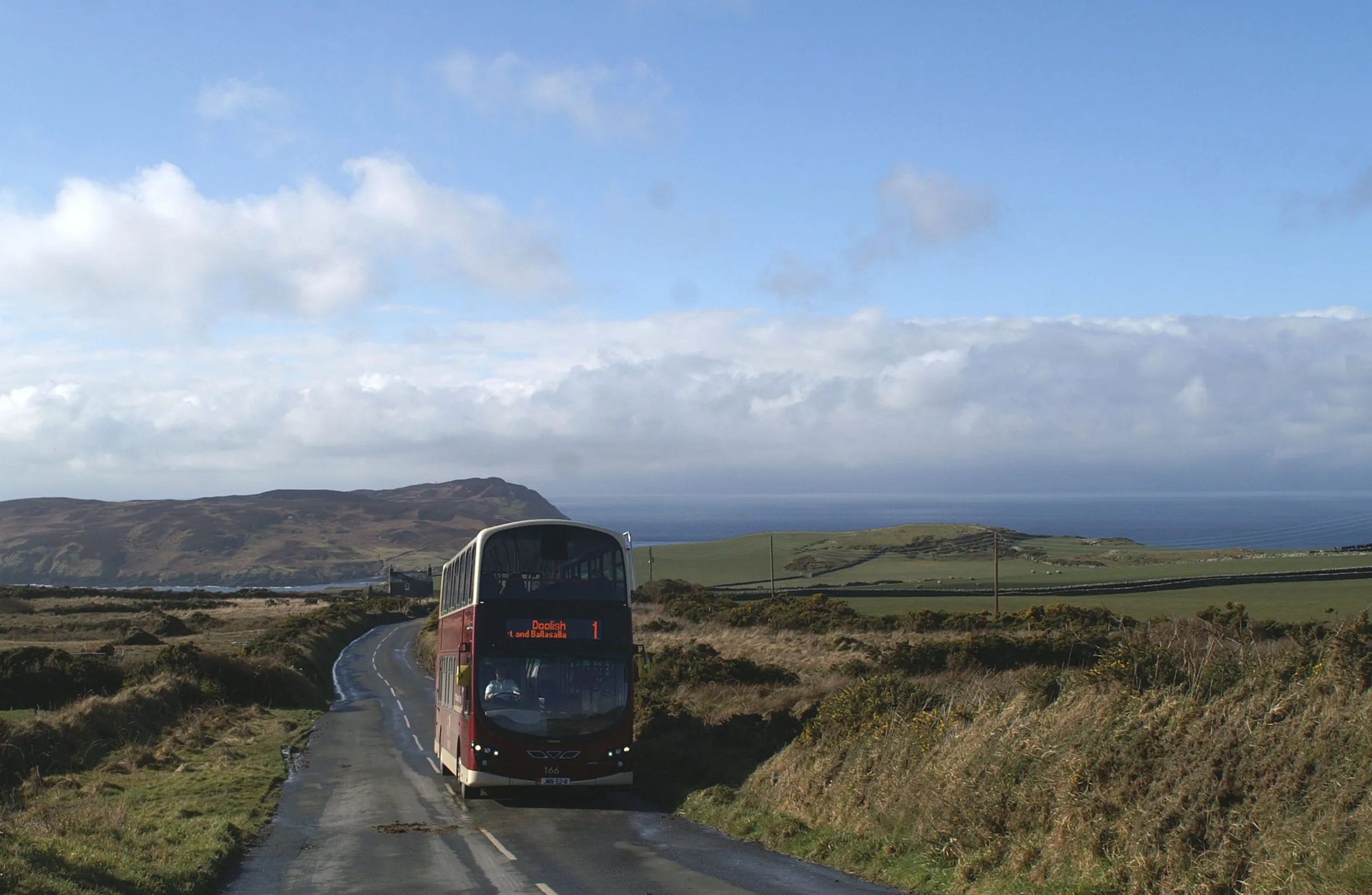
Bus Vannin (opens in a new tab) is the government-run bus service and it’s genuinely good for an island this size. Everything radiates out of Douglas:
- South: routes 1, 2, 11 and 12 run Douglas – airport – Castletown – Port Erin/Port St Mary. This is also your bus from the airport.
- East and north: route 3 runs Douglas – Onchan – Laxey – Ramsey.
- West: routes 4, 5 and 6 run Douglas – St John’s – Peel, and some 5 and 6 variants carry on up the west coast through Kirk Michael to Ramsey.
- Across the south-west: route 8 links Peel, Castletown and Port Erin without going through Douglas.
Fares are by distance. The 2026 fare chart (opens in a new tab) runs from £1.20 for a hop around Douglas to £3.60 for the longest journeys. Douglas to Peel or to the airport comes in at about £2.80, and Douglas to Port Erin or Ramsey about £3.30 (September 2026). Children aged 5–15 pay roughly half. Up to two under-fives travel free with a paying adult. You can pay by contactless (not Maestro or Amex) or cash on board.
If you’ll be on the buses all day, a Go Saver bus-only day ticket is £7.50 for an adult and £3.50 for a child, and you can buy the one-day paper version on the bus. A Go Explore card adds the railways and trams. More on that below. Routes, stands and every ticket are in Isle of Man buses.
By heritage railway
The railways aren’t just a tourist ride. They’re actually useful transport along two corridors:
- The Isle of Man Steam Railway runs Douglas – Ballasalla – Castletown – Port St Mary – Port Erin in about an hour.
- The Manx Electric Railway runs Douglas (Derby Castle) – Laxey in about 30 minutes and on to Ramsey in about 75.
- The Snaefell Mountain Railway climbs from Laxey to the summit of Snaefell in about 30 minutes. It’s only useful for getting up the mountain, which is still a good use.
- The Douglas Bay Horse Tramway trots along the promenade. In 2026 it runs between Derby Castle and the Villa Marina.
Adult returns on the long runs, Douglas to Port Erin and Douglas to Ramsey, are £17 (September 2026), and Laxey to the Snaefell summit is £16. That’s more than the bus, and slower. You take them because you want the ride.
The railways are seasonal. In 2026 they started in mid-to-late March and run until 1 November, and not every line runs every day at the start and end of the season. Over winter there are no scheduled trains or trams, apart from special Christmas events.
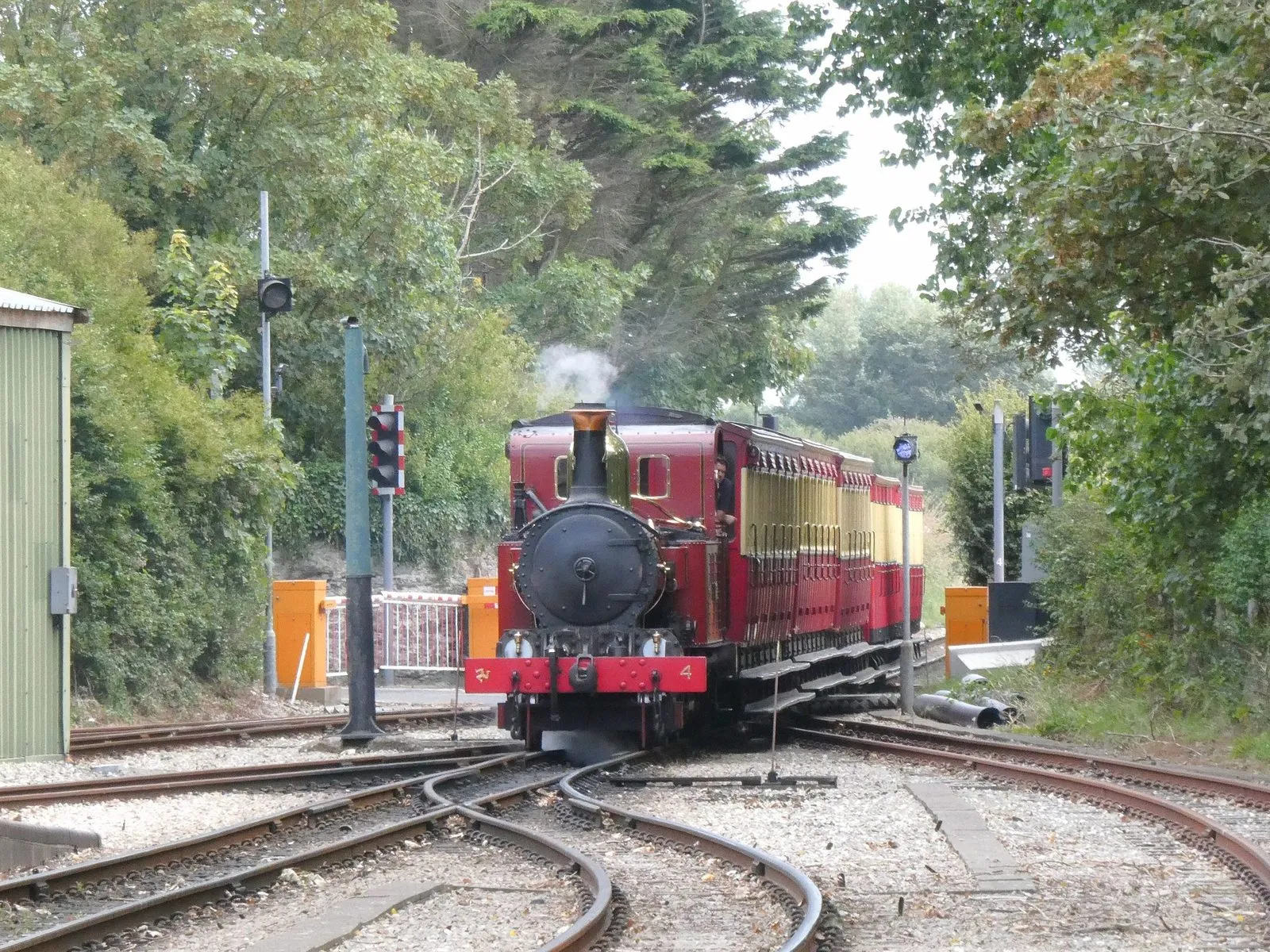
For which line to do, where to sit and the best combination days, see our full guide to the Isle of Man railways.
The Go Explore card in brief
A Go Explore card gives you unlimited travel on scheduled buses, the steam railway, the Manx Electric, the Snaefell Mountain Railway and the horse trams for 1, 3, 5 or 7 consecutive days. In September 2026 it costs £22 for one adult day, £44 for three days or £61 for seven, and a family day card is £49. A one-day paper ticket can be bought on board. Multi-day cards come on a £2 reusable smart card.
It pays for itself on any day with a return trip up Snaefell plus a bus or tram either side. It doesn’t pay on a bus-only day. The full maths is in our Go Explore card guide.
By taxi
Taxi fares are capped by the island’s Road Transport Licensing Committee. From 22 April 2026 (opens in a new tab) the meter starts at £4.00 in the daytime and £4.70 between 11pm and 6am, then climbs by time and distance, with 80p extra per additional passenger and per bag in the boot, and £2 on journeys from the airport (official 2026 tariff card — see taxis). That’s fine for getting home from the pub in Douglas. It’s an expensive way to tour the island.
The honest problem with taxis isn’t the price. It’s getting one when everyone else wants one: after events, on Friday and Saturday nights, and above all during TT. If you have a ferry or flight to catch, book ahead.
Hire car
Most hire firms work from Ronaldsway Airport, and at least one has a desk at the Sea Terminal in Douglas. Visit Isle of Man lists the current operators (opens in a new tab). You’ll need a full driving licence. Ask the hire firm for a parking disc, because you’ll need one to park in most towns.
Prices depend heavily on when you go, so we’re not going to guess one. Around TT fortnight, cars go early and cost a lot more. If your dates overlap with late May or early June, book when you book the ferry.
Bringing your own car
The Steam Packet carries cars, and bringing one makes sense for longer stays, families with a boot full of kit, or anyone staying somewhere rural. It does cost noticeably more than travelling as a foot passenger. Our ferry guide and cheap ferry fares page cover what it costs and how to pay less.
Once you’re here, driving is mostly easy: quiet roads, short distances, no motorways. The island’s quirks, like roads with no speed limit, the Mountain Road, TT closures and parking discs, are all in our guide to driving on the Isle of Man.
Cycling
The standout route is the Heritage Trail (more in cycling on the Isle of Man), the old railway line from Douglas to Peel. It’s about 10 miles, traffic-free and more or less flat, which makes it the one bike ride on the island that suits everyone. You can take a bike on the steam railway and Manx Electric for £3 a trip (September 2026), so you can ride one way and ride back on a tram.
Beyond that, the island rewards fit cyclists with climbs, empty lanes and headwinds. Anything crossing the middle goes over hills, and the Mountain Road is a proper climb shared with motorbikes that aren’t hanging about.
Walking
Douglas, Peel, Castletown, Port Erin and Ramsey are all compact enough to walk around. Between them, the long-distance paths are the draw:
- Raad ny Foillan, the coastal path, goes right round the island. The government puts it at about 95 miles (opens in a new tab).
- The glens are the easy wins. Several are a short walk from a Manx Electric stop or a bus route. See our glens guide.
The railways and buses make one-way walks easy: walk the coast from Port Erin to Port St Mary, or from Laxey north, and take the train or tram back.
Who needs a car, and who doesn’t
You can skip the car if:
- you’re staying in Douglas, Port Erin, Port St Mary, Castletown, Laxey or Ramsey;
- you’re here between April and October, when the railways fill the gaps;
- your wish list is the classic stuff: the Laxey Wheel, Snaefell, Castle Rushen, Peel, Port Erin beach.
You’ll want one if:
- you’re staying out in the countryside, especially in the north or west;
- you’re coming between November and March, when there are no trains and fewer buses;
- you want the far corners: Niarbyl, the Point of Ayre, the Sloc, quiet beaches in the north;
- you’re coming for TT, have a bike to ride the course on, or are carrying a lot of kit.
Middle ground: go car-free for most of the trip and hire a car for a day or two to reach the bits the buses don’t.
Summer versus winter
From spring to autumn you have everything: full bus timetables, all four main heritage lines, the Groudle Glen and Great Laxey Mine railways at weekends, and long light evenings. In 2026 the steam and electric railways run until 1 November.
Between November and March the railways stop, apart from Christmas specials, and the operator itself suggests the bus-only Go Saver instead of Go Explore. The buses keep running, but some country services are thin. Winter is when a car stops being optional for most visitors, and when the Mountain Road occasionally closes for snow and ice. Our best time to visit page covers the trade-offs month by month.
Getting from the ferry and the airport
- From the Sea Terminal: you’re already in Douglas. The bus station and the promenade are a short walk, and the steam railway station is at the inner end of the harbour.
- From the airport: routes 1, 2 and 11 and their variants stop outside the terminal on their way between Douglas and Castletown/Port Erin. Douglas is about £2.80 on the bus, or a taxi if you have a lot of luggage.
More in this guide
- Driving on the Isle of Man — speed limits, the Mountain Road and TT rulesIsle of Man speed limits: no national limit, so many rural roads have none. Towns are 30mph (some streets 20), R and L plates 50mph, towing 40. Plus TT rules.
- Isle of Man buses — Bus Vannin routes, fares and tickets explainedHow the Isle of Man's buses work — the main Bus Vannin routes and how often they run, the 2026 fares, which ticket to buy, paying by card, night buses and TT changes.
- Isle of Man car hire — who to hire from, what it costs and when to bookWhich car hire firms trade on the Isle of Man, airport and Sea Terminal pickup, sample 2026 prices, age limits, insurance excess and hiring during TT.
- Isle of Man taxis — ranks, booking, fares and getting one at TTWhere the Isle of Man's taxi ranks are, how to book, what the capped 2026 fares mean from the airport and Sea Terminal, night rates, apps and TT.
- Parking on the Isle of Man — discs, Douglas car parks and the free bitsHow Isle of Man parking discs work and where to get one, Douglas car park prices for 2026, parking in Peel, Ramsey, Port Erin and Castletown, fines and Blue Badges.
- The Go Explore card — prices, what it covers and whether it's worth itGo Explore card prices for 2026, what it covers on the Isle of Man's buses, railways and trams, where to buy it, and the maths on whether it beats single fares.
— The Guru
Common questions
What's the cheapest way to get around the Isle of Man?
The bus. Singles cost £1.20–£3.60 and a Go Saver day ticket for unlimited buses is £7.50 for an adult (September 2026). The heritage railways cost more, so buy a £22 Go Explore card only on days you'll ride them.
How long does it take to get from Douglas to Peel, Ramsey or Port Erin?
By car, about 20–35 minutes to any of them. By bus, about 40 minutes to Peel, 50 to Ramsey and 55 to Port Erin. The heritage railways are slower, about an hour to Port Erin by steam train and 75 minutes to Ramsey on the Manx Electric.
Can you pay by card on Isle of Man buses?
Yes. Bus Vannin takes contactless cards, phones and watches on every bus, including most non-UK cards, but not Maestro or American Express. Cash is still accepted.