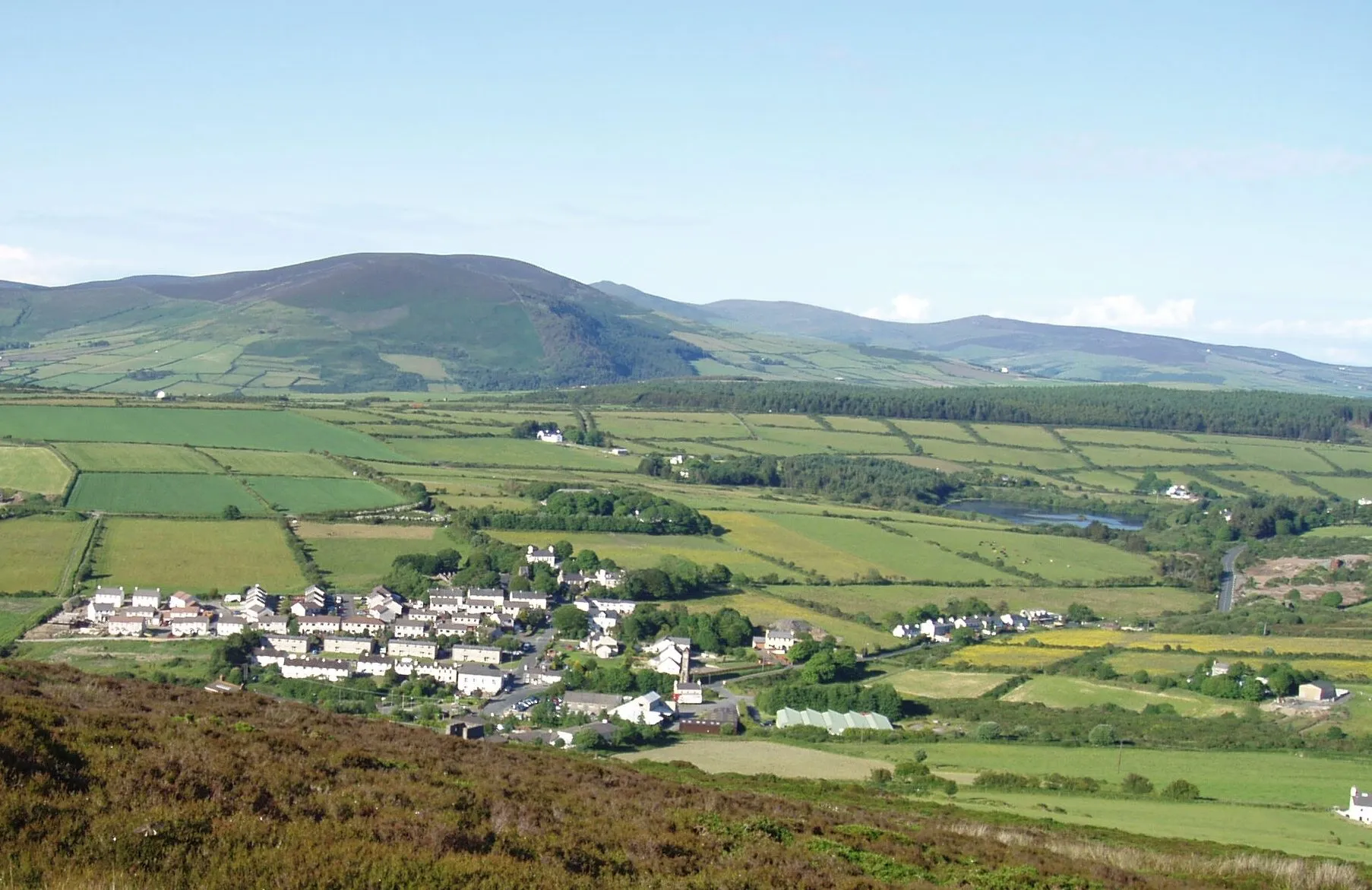
Photo: Gregory J Kingsley / Wikimedia Commons, CC BY-SA 3.0
Isle of Man broadband: who to buy from, and why it costs more
Photo: Gregory J Kingsley / Wikimedia Commons, CC BY-SA 3.0
Last checked
Who sells broadband on the Isle of Man, whose network it runs on, what fibre costs (September 2026), and when Starlink or fixed wireless makes more sense.
The Isle of Man has very good broadband coverage by UK standards. Almost everyone can get a quick connection, even out in the countryside. What you pay for it is another matter: expect a bill well above what you’d pay across, like a lot of the cost of living here. This page is for anyone moving here or moving house. It covers who actually sells broadband, whose cables it runs down, what it costs this month, and when to skip the cable altogether.
One network, several shopfronts
Manx Telecom owns both the old copper network (ADSL and VDSL, the “fibre to the cabinet” kind) and the new fibre-to-the-premises network that replaces it. Nearly two-thirds of the island has already moved over: Manx Telecom’s chief executive put it at 63% in June 2026 (opens in a new tab), with the rest expected to move more slowly. Manx Telecom has been owned by Jersey’s JT Group and the investor CVC DIF since May 2026 (opens in a new tab). The name is staying.
The alternatives are Sure and Noventre. For home fibre they mostly resell the Manx Telecom network, so they only really differ on price, routers and support. Sure buys its broadband wholesale (opens in a new tab) from Manx Telecom. Noventre is the Braddan firm that used to trade as Wi-Manx (opens in a new tab). It renamed in 2025, sells home fibre as “Velocity Fibre”, and is one of the few providers still owned on the island. Domicilium also sells fibre, though it’s mostly known for business connections.
Starlink is available here too, and for a 100Mbps service it now costs about the same as a fibre contract, or slightly less, with no contract at all. It has been picking up customers (more on that below).
The regulator, the Communications and Utilities Regulatory Authority (CURA), keeps a list of who sells what (opens in a new tab).
What it costs (September 2026)
Monthly prices from each provider’s own site, including VAT:
| Speed (download) | Manx Telecom | Sure | Noventre |
|---|---|---|---|
| 100Mbps | £43.18 | £41 | £52.45 |
| 200Mbps | £59.65 | £56 | £61.97 |
| 400Mbps | £68.83 | £66 | £73.43 |
| 700Mbps | £105.18 | £100 | £113.30 |
| 1Gbps | £174.14 | £160 | — |
- Manx Telecom (opens in a new tab): 24-month contracts, router and Wi-Fi setup visit included. A home phone is optional, from £4.09 a month.
- Sure (opens in a new tab): 24- or 36-month contracts. Sure says connection fees “may apply (£48 to £150)”, plus any trenching or ducting inside your boundary. Every plan spreads a router charge (£20–£90) across the contract, and prices rise each year in line with RPI. Adding a Sure mobile knocks £10–£30 a month off.
- Noventre (opens in a new tab): the prices above are its 36-month plans with router and setup included. Its 24-month “connection only” plans are cheaper each month (£40.91 for 100Mbps, up to £102.80 for 700Mbps), but setup charges apply and you bring your own router.
Upload speeds are much lower than download: Noventre lists 10Mbps up on its 100Mbps plan and 100Mbps up on its 700Mbps plan. If you send big files for work, check the upload figure, not just the headline.
Why so dear? It’s a small market paying for its own network, with nobody else’s cables to compete against. The local open-data site Smart Island compared prices in March 2026 (opens in a new tab) and found the island paying roughly double UK prices at the 500Mbps tier. The difference is bigger at the top end.
The fibre rollout
Most of the fibre was built commercially by Manx Telecom, which calls it a £50 million project (opens in a new tab). For the parts of the island that were never going to pay for themselves, the Department for Enterprise ran the National Broadband Plan. In May 2020 (opens in a new tab) it gave Manx Telecom a £10 million contract to take fibre into nine hard-to-reach “intervention zones”. The target was a network passing 99% of homes and businesses, at up to 1Gbps.
By the end of 2024 Manx Telecom said more than 90% of premises could get fibre. The rollout is now in the long tail: the last few per cent are the lanes, farms and end-of-track cottages.
The copper switch-off
The copper network is being retired zone by zone (opens in a new tab), with Manx Telecom aiming to finish in 2029. The island is split into seven zones. Zones 1 to 6 started between March 2025 and January 2026, and Zone 7 follows in 2027. Each zone gets at least 12 months’ notice to move. Your provider should contact you. If you rely on a landline for a care alarm, a security system or in a power cut, tell them, because there are alternatives that keep working. CURA runs the switch-off site and takes questions on 01624 677022.
Check the address, not the town
Coverage varies from street to street, so the town doesn’t tell you much. Before you rent or buy, check the exact property:
- Manx Telecom’s checker at mt.im/fibre (opens in a new tab) shows whether fibre is live, planned or not coming.
- The copper switch-off postcode checker (opens in a new tab) tells you which zone and phase the address is in.
- Ask the seller or landlord whether fibre is already installed and which room the box is in. A property that’s already connected saves you the survey, the wait and any trenching.
Rural options
Fibre now reaches most farms and cottages, but not all of them. If yours isn’t covered, or the install needs a long dig across your land, there are three alternatives:
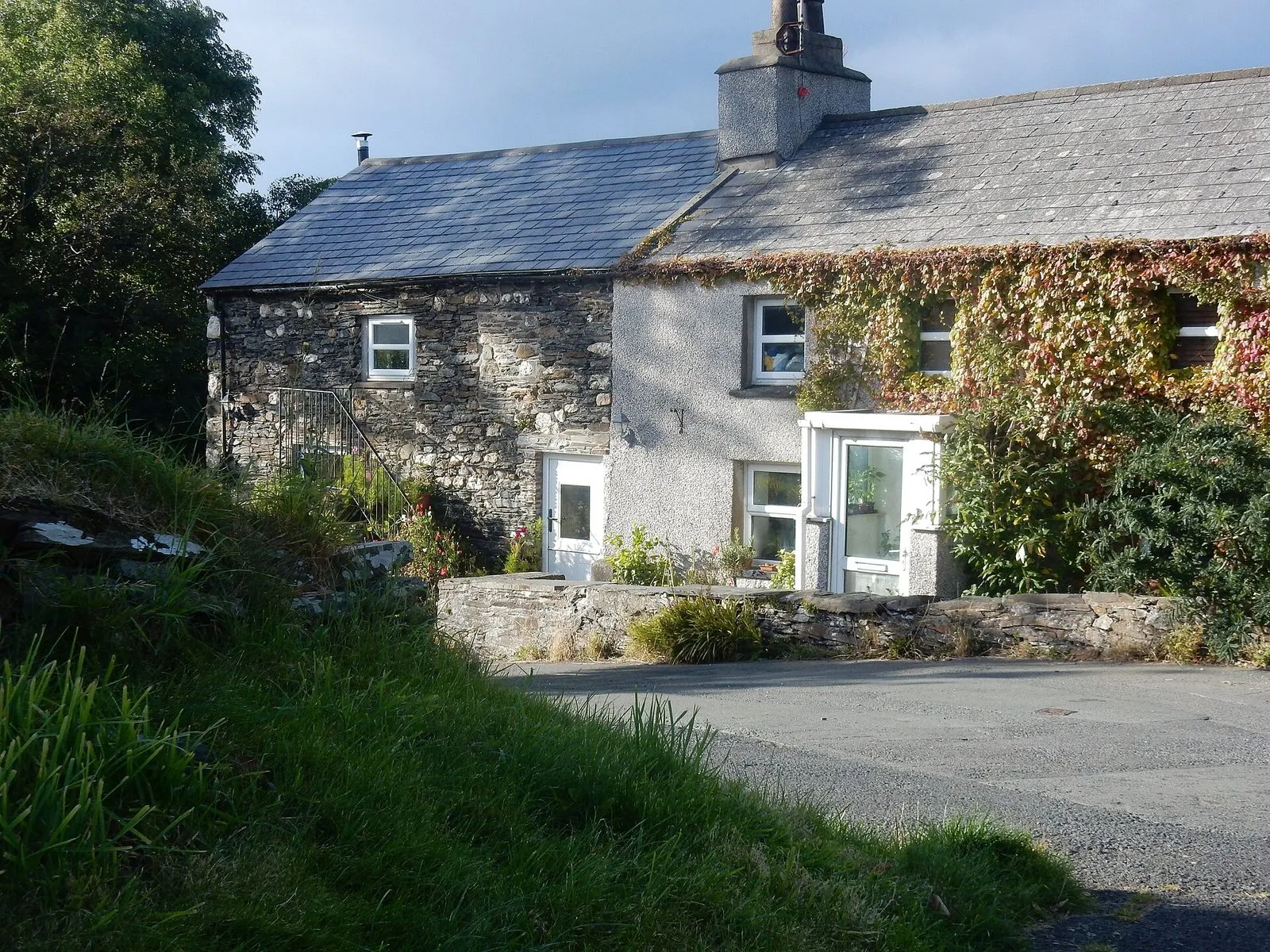
- Fixed wireless: a radio link from a mast to a small antenna on your house. BlueWave (opens in a new tab) lists packages from 10Mbps to 100Mbps, but most are currently marked as business-only, and set-up fees run to £200 or more. CURA also lists Opti-fi. Ask both whether they cover your address.
- 4G home broadband from Manx Telecom or Sure. This is fine as a stopgap or in a holiday let, but it’s only as good as the mobile signal where you live.
- Starlink (below).
Starlink
Starlink sells direct and needs no phone line and no contract: you can cancel monthly. Manx Telecom’s own fibre-versus-Starlink page (opens in a new tab) quoted it at £40 a month for about 100Mbps, £60 for 200Mbps and £80 for Residential Max (July 2026). That’s the same as UK pricing, and a pound or two under Manx Telecom’s own 100Mbps fibre. Check starlink.com (opens in a new tab) with your postcode for today’s price and kit terms.
It’s been gaining ground. CURA’s figures had it at 1.5% of the island’s internet connections in the third quarter of 2024, up from 1% in 2023 (opens in a new tab). Smart Island’s reading of later CURA data puts it at about 3.3% by spring 2026 (opens in a new tab).
The catches: upload is lower (Manx Telecom quotes 20–40Mbps), latency is higher than fibre, and heavy rain or snow on the dish can slow it. The dish needs a clear, unobstructed view of the sky. Fit it yourself or pay a local installer, which can cost hundreds.
Moving house
- Order early. A new fibre connection involves a survey and an engineer’s visit, and sometimes digging. Book it as soon as you have a moving date, not when you get the keys.
- Don’t assume the old contract moves with you. Tell your provider your new address and ask whether it’s fibre, copper or still to be connected. If the new place is in a zone being switched off, moving house is the easiest time to go to fibre.
- Read the connection terms. “Free connection” usually covers the standard install. Long cable runs, trenching or ducting inside your boundary may cost extra (Sure spells this out).
- Keeping your phone number: you can usually keep an existing landline number when you move to fibre voice. Ask the new provider to port it.
Do you need a landline?
No. Fibre, Starlink and fixed wireless are all sold without a phone line. If you want a home phone, it’s an add-on that runs over the fibre, such as Manx Telecom’s home phone, from £4.09 a month.
The difference from the old copper phone is power: a fibre phone stops when the electricity does, unless it has battery backup. If someone at home relies on a landline in an emergency, tell your provider when you order.
— The Guru
Common questions
Who is the cheapest broadband provider on the Isle of Man?
For fibre, Sure's 100Mbps Starter plan at £41 a month and Noventre's 24-month connection-only Basic plan at £40.91 were the cheapest listed prices in September 2026, with Manx Telecom's Fibre 100 at £43.18. The gap between them is small. Check connection charges and contract length before choosing on price alone.
Is Sure broadband on the Isle of Man its own network?
No. Sure buys its broadband wholesale from Manx Telecom, so the fibre to your house is the same whichever of the main providers you pick. What changes is the price, the router, the contract and who answers the phone when it breaks.
Is Starlink available on the Isle of Man?
Yes. It's sold direct by Starlink, with no contract, and Manx Telecom's own comparison (July 2026) quoted £40 a month for the 100Mbps tier. You supply the power and a clear view of the sky, and either fit the dish yourself or pay a local installer.
Do I need a landline for broadband on the Isle of Man?
Not for fibre, Starlink or fixed wireless. Fibre can be bought on its own, and if you want a home phone it runs over the fibre as an add-on. The old copper lines are being switched off zone by zone by 2029.