Photo: Andrew Abbott / Wikimedia Commons, CC BY-SA 2.0
Isle of Man villages — which are worth stopping in, and which to drive through
Photo: Andrew Abbott / Wikimedia Commons, CC BY-SA 2.0
Last checked
Kirk Michael, Ballasalla, Sulby, Maughold, Bride, Foxdale and the rest. What's in each Isle of Man village, whether it's worth stopping, and where to eat.
On the map
- Ballasalla — Rushen Abbey, Monks' Bridge, Silverdale Glen. On the steam railway
- Santon (Fairy Bridge) — Say hello to the fairies as you cross, on the A5
- Ballabeg — Arbory church and the Southern 100 course
- Colby — Colby Glen and a steam railway stop
- Foxdale — Old lead-mining village with a Victorian clock tower
- Glen Maye — Waterfall glen down to a pebble beach
- Dalby — Turn off here for Niarbyl
- Niarbyl — Rocky point, fisherman's cottage and a view to the Calf
- Kirk Michael — Norse crosses in the church; Glen Wyllin beach nearby
- Ballaugh — Ballaugh Bridge and The Raven pub
- Curraghs Wildlife Park — Wetland zoo a mile east of Ballaugh
- Jurby — Old airfield, transport museum, lonely church on the coast
- Sulby — Sulby Straight and the road up Sulby Glen
- Andreas — Thorwald's Cross in the parish church
- Bride — Northernmost village; the Point of Ayre is about 2.5 miles on
- Point of Ayre — Stevenson lighthouse and a shingle beach at the island's northern tip
- Maughold — Church, cross house and the headland
- Baldrine — On the coast road and the Manx Electric Railway
The Isle of Man has a handful of towns and a lot of villages. Most of the villages are small farming or mining settlements strung along a main road: a church, a pub, a primary school, a bus shelter. A few are worth planning a stop around, and this page says which. It’s for anyone driving round the island, or choosing where to get off the bus.
The towns have their own pages: Douglas (which covers Onchan), Laxey, Ramsey, Peel, St Johns, Port Erin, Port St Mary and Castletown. Cregneash is a museum village rather than a place people live, so it’s in things to do.
The quick verdicts
| Village | Why stop | Verdict |
|---|---|---|
| Maughold | Church, cross house, headland | Go out of your way |
| Ballasalla | Rushen Abbey, Silverdale Glen | Go out of your way |
| Glen Maye and Dalby | Glen, waterfall, Niarbyl | Go out of your way |
| Bride | Point of Ayre | Go if you’re in the north |
| Ballaugh | Curraghs Wildlife Park, TT bridge | Go with children |
| Kirk Michael | Crosses, Glen Wyllin beach | Go if you’re passing |
| Andreas | Thorwald’s Cross | Go if you like Vikings |
| Santon | Fairy Bridge | Wave as you pass |
| Sulby | TT straight, Sulby Glen | Drive up the glen |
| Foxdale | Mining history | Only if you’re keen |
| Jurby | Transport museum (Sundays) | Only if you’re keen |
| Colby, Ballabeg, Baldrine | Glens and walks nearby | Drive through |
The south
Ballasalla
A big village two miles inland from Castletown, next to the airport, and a stop on the steam railway. It grew up round Rushen Abbey, a Cistercian house founded in 1134. Not much of it still stands, but Manx National Heritage runs a small visitor centre. It costs £11 and opens Thursday to Monday afternoons in season (September 2026). See our heritage guide.
The better free stuff is along the Silverdale river. The medieval Monks’ Bridge is a short walk from the abbey. Carry on upstream and you reach Silverdale Glen, with a boating lake, a play area and a Victorian roundabout that runs on water power. It’s the best glen on the island for small children. There’s a café, but its hours change by season. Details in our glens guide.
Eat: The Abbey (opens in a new tab), next to the abbey ruins, is a proper restaurant known for its afternoon teas. It’s closed on Mondays and Tuesdays. The Whitestone Inn on Station Road is the village pub. It serves food Wednesday to Sunday and does pizza all day (Visit Isle of Man (opens in a new tab), September 2026).
Verdict: go. Rushen Abbey, the bridge and Silverdale make a gentle half-day, and it pairs well with Castletown.
Santon
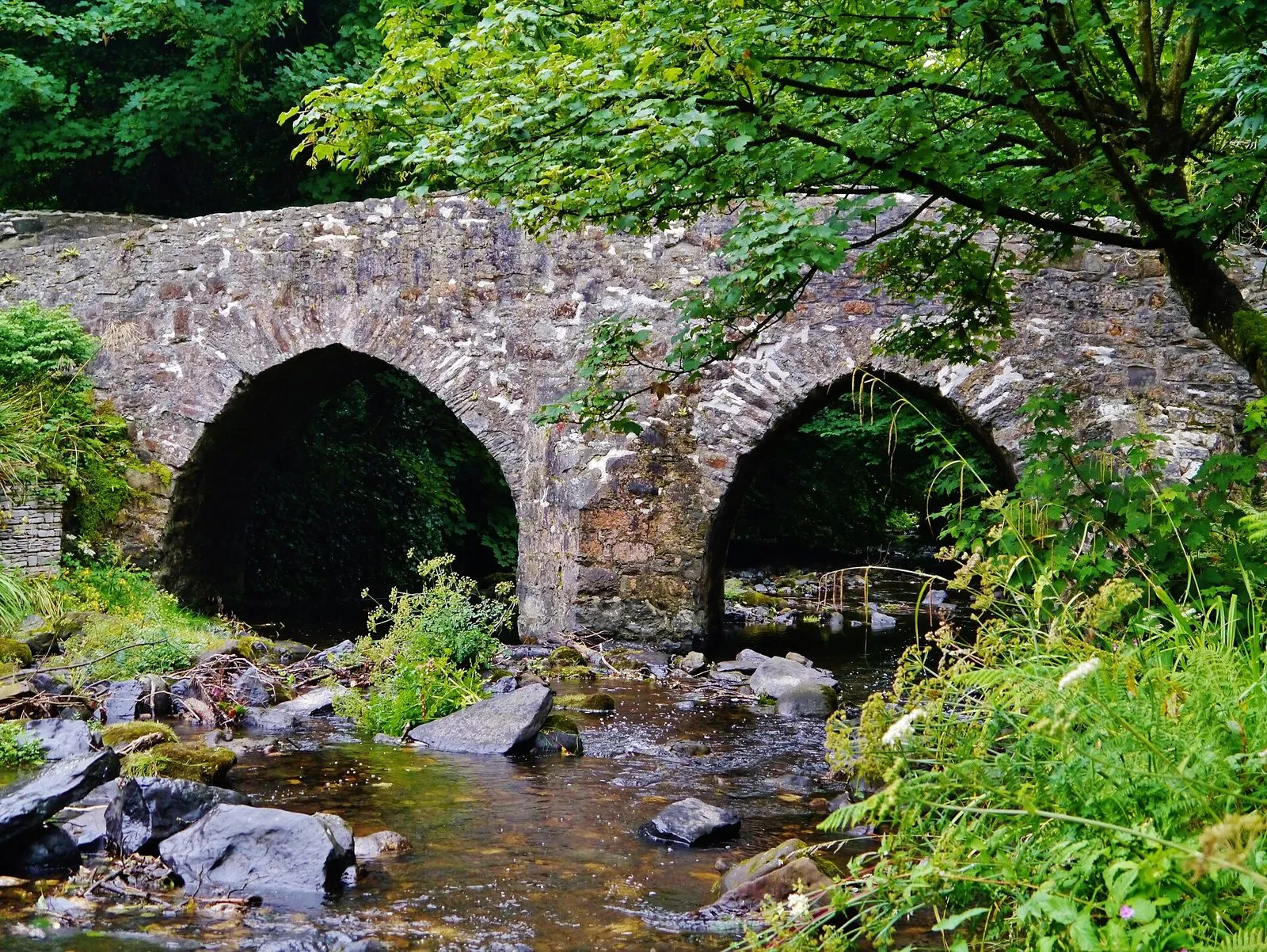
The island’s smallest parish, with no real village centre, but you’ll cross it on the A5 between Douglas and Castletown. The thing everyone knows is the Fairy Bridge. Local custom says you greet the mooinjer veggey, the little people, as you cross, and that it’s bad luck not to. Buses play an announcement reminding you. TT riders take it seriously.
The coastal path through Santon passes Port Grenaugh, a small cove, and the remains of Iron Age promontory forts.
Verdict: say hello, and keep driving.
Ballabeg and Colby
Two small villages on the A7 between Castletown and Port Erin, both with request stops on the steam railway.
- Ballabeg has Arbory parish church. Captain John Quilliam, who served at Trafalgar, is buried in the churchyard. The village also sits on the Billown circuit used for the Southern 100 races in July.
- Colby has Colby Glen, a quiet wooded walk up from the village. It’s pleasant, but it isn’t one of the headline glens. The village pub, the Colby Glen, closed in January 2026 and reopened under new management on 21 August (3FM (opens in a new tab)).
Verdict: drive through, unless you’re walking or watching the Southern 100.
The west
Foxdale
An old lead-mining village in the hills between St Johns and the south. In the 19th century there were 13 mines and workings here, producing lead, zinc and silver, and the last closed in 1911. The 40-foot Victoria clock tower was put up by the mining company in 1901. A volunteer-run heritage centre tells the story, when it’s open.
Eat: the ManxSPCA Tearooms (opens in a new tab) at Ard Jerkyll, near Foxdale, serves home-cooked food from 10am to 3.30pm, Tuesday to Sunday. Dogs are welcome in the conservatory, and the profits go to the animal charity (September 2026).
Verdict: only if you like industrial history, or a walk on South Barrule.
Glen Maye
A small village two and a half miles south of Peel, at the top of one of the best glens on the island. There’s a waterfall right by the path, a wooded gorge running down to a pebble beach, and the ruins of an old mine wheelcase. A landslide shut the lower path in November 2023, so check DEFA’s current advice before you plan to walk to the sea. There’s more in our glens guide.
Verdict: go, and combine it with Peel.
Dalby and Niarbyl
Dalby is a hamlet on the hillside above the west coast, five miles south of Peel. The reason to come is to turn off towards Niarbyl, a rocky point with a thatched fisherman’s cottage (it was in the 1998 film Waking Ned) and a long view south to the Calf of Man. There’s also a visible geological fault line: rocks from two sides of an ancient ocean meet on the beach.
The Manx National Heritage café and visitor centre at Niarbyl has been closed since January 2023, with no reopening date when we checked in September 2026. Bring a flask.
Verdict: go on a clear evening. It’s one of the best sunsets on the island.
The north and north-west
Kirk Michael
The main village on the west-coast road between Peel and Ramsey, and part of the TT course. The parish church has a collection of carved Manx Norse crosses. Glen Wyllin, just south of the village, has a road all the way down to a beach and a seasonal campsite. Glen Mooar, about a mile south of the village, has the Spooyt Vane waterfall. Bishopscourt, the old home of the island’s bishops, is a mile and a half north.
Verdict: worth a stop for the crosses or the beach, not for the village itself.
Ballaugh
A village on the TT course, famous for Ballaugh Bridge, a humpback bridge where the bikes take off. It’s one of the best-known viewing spots in TT fortnight.
Curraghs Wildlife Park is a mile east. It’s a government-run wetland zoo with red pandas, wallabies, penguins and lynx, and it’s open daily from 9.30am to 5pm. See our Curraghs guide.
Eat: The Raven (opens in a new tab), by the bridge, is the village’s only pub and a proper country local. It’s closed on Mondays and serves food on the other days, at lunch or in the evening depending on the day (September 2026).
Verdict: go with children for the wildlife park, and eat at The Raven.
Jurby
A flat, windswept parish on the north-west coast, built round a Second World War RAF airfield. The old runways are now used for motorcycle racing. In one of the hangars, volunteers run the Jurby Transport Museum (opens in a new tab), with old Manx buses and a little locomotive from Douglas’s Queen’s Pier. For 2026 it opened every Sunday until 4 October. The church stands on its own near the cliffs and has Norse crosses and war graves. The island’s prison is also here.
Verdict: only if you like buses, or you’re at the circuit.
Sulby
A village on the A3, on the edge of the northern plain. Sulby Straight is the fastest part of the TT course, and speeds of over 200mph have been clocked on it. The road south from the village climbs up Sulby Glen, a steep-sided valley, to Tholt-y-Will and the mountain. It’s one of the best drives on the island.
Verdict: drive up the glen. The village itself is a straight road.
Andreas
A farming village on the flat north, about three miles from Ramsey. The parish church keeps a collection of carved crosses, including Thorwald’s Cross. It shows the Norse god Odin being eaten by the wolf Fenrir, next to Christian symbols. The Second World War airfield, RAF Andreas, was on the edge of the village.
Verdict: go if you like Viking carving. Ten minutes in the church does it.
Bride
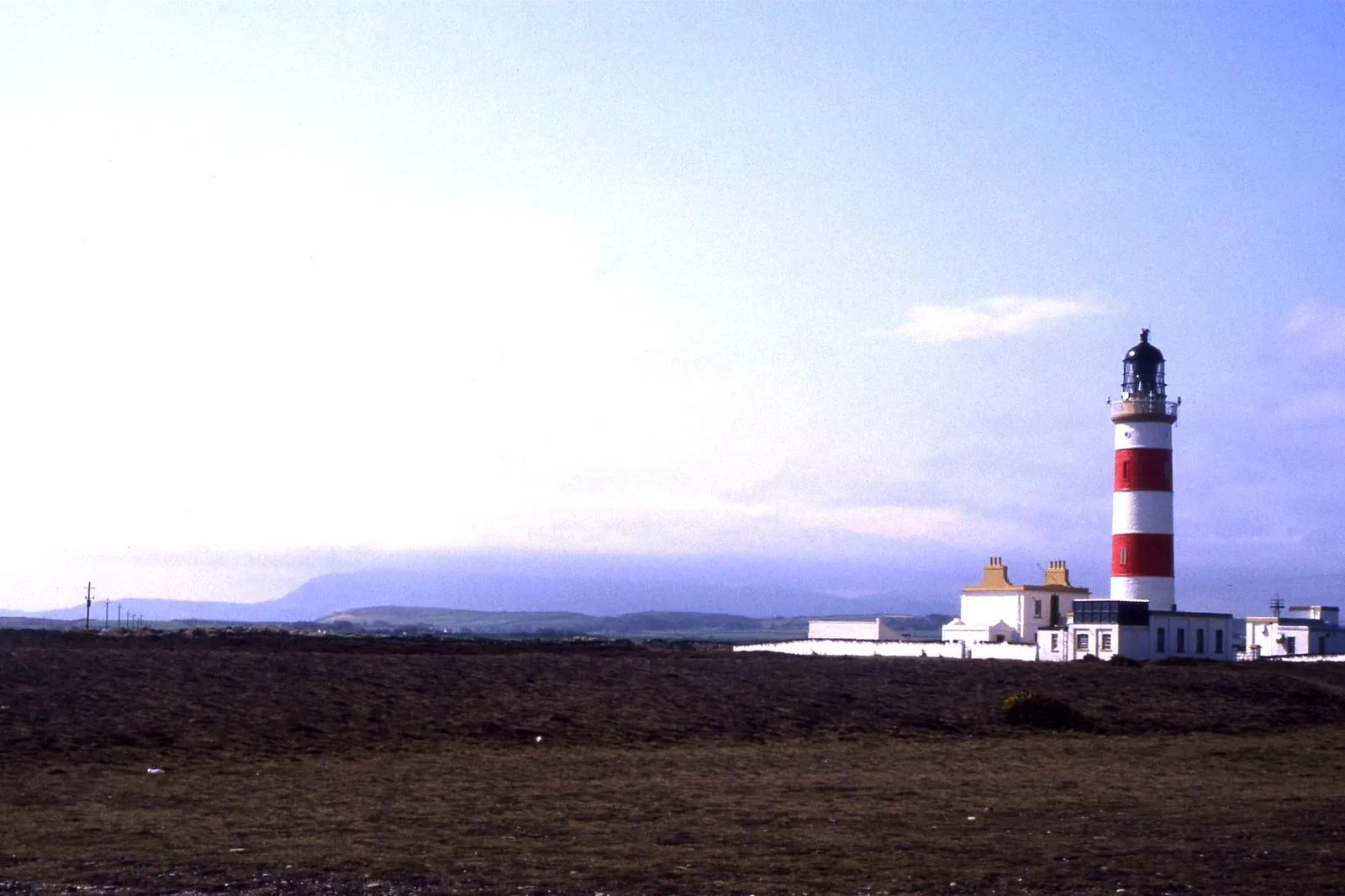
The most northerly village on the island, and the smallest parish by population, with 359 people in 2021. The parish church has more carved crosses. About two and a half miles on is the Point of Ayre, the northern tip of the island. Its red-and-white lighthouse was designed by Robert Stevenson and first lit in 1818, and it’s the island’s oldest working lighthouse. The shingle beach beyond it is bleak in the good way. For wildlife, see our wildlife guide.
Verdict: go if you’re in the north. The Point of Ayre is the attraction, not Bride.
The east
Maughold
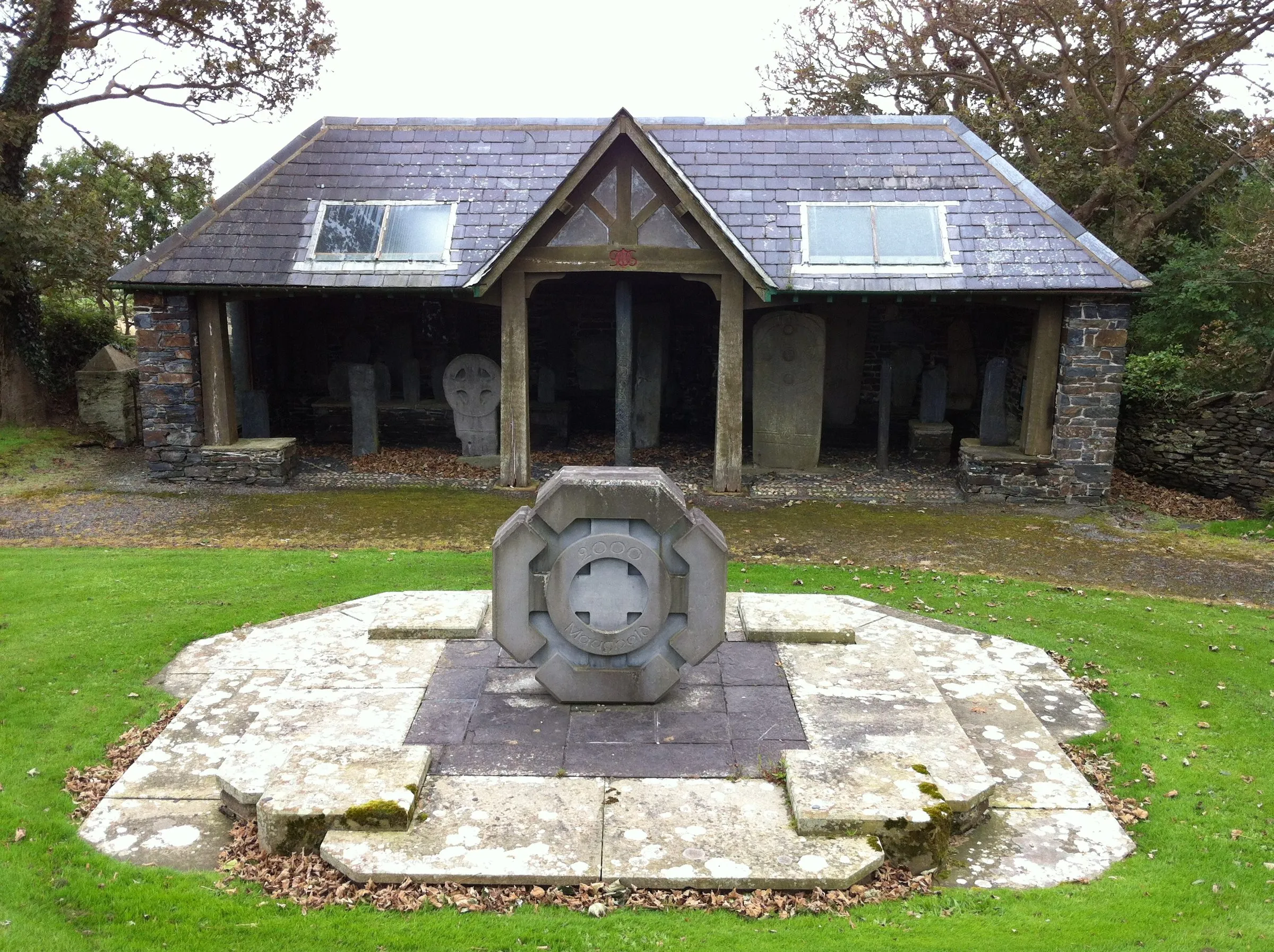
A small village on the headland three miles south-east of Ramsey. It’s named after the island’s patron saint, and it’s the best village stop on the island. The churchyard covers four acres, on the site of an early monastery. The cross house holds the island’s largest collection of carved Manx and Norse crosses. The novelist Hall Caine is buried here, under a memorial designed by Archibald Knox.
Walk out to Maughold Head, the island’s most easterly point, where the lighthouse was built in 1914. Close by are Cashtal yn Ard, a Neolithic chambered tomb, and Ballaglass Glen, a quiet glen with its own tram stop.
Eat: Zen at the Glen (opens in a new tab), at Dhoon Glen on the Maughold side of the coast road, is a small, dog-friendly café stop by the tram line. Its hours aren’t published, so treat it as a bonus.
Verdict: go out of your way. It’s the most atmospheric churchyard on the island.
Baldrine and Lonan
Baldrine is a village on the coast road between Douglas and Laxey, with three stops on the Manx Electric Railway. What’s worth a look nearby is Ballannette Park, a nature reserve with lakes and birdwatching spots, and Old Kirk Lonan, down a lane towards the sea, which has a large early cross in its churchyard.
Verdict: drive through, or hop off the tram for a walk.
Getting round the villages
The villages on the main roads (the A3, A5, A7 and the coast road) all have Bus Vannin services. Ballasalla, Ballabeg and Colby are on the steam railway, and Baldrine and Maughold’s glens are on the Manx Electric, from late March to early November. Niarbyl, the Point of Ayre and Maughold Head are a long walk from any stop. More in getting around and the island without a car.
— The Guru
Common questions
What are the main villages on the Isle of Man?
Outside the towns, the villages you'll pass most are Ballasalla, Foxdale, Kirk Michael, Ballaugh, Sulby, Andreas, Bride, Jurby, Maughold and Baldrine, plus smaller places like Colby, Ballabeg, Glen Maye and Dalby. Onchan is big enough to be a town and runs into Douglas.
Which Isle of Man villages are worth visiting?
Maughold for its church and carved crosses, Ballasalla for Rushen Abbey and Silverdale Glen, Glen Maye and Dalby for the west coast and Niarbyl, and Bride for the Point of Ayre. Ballaugh is worth it with children because the Curraghs Wildlife Park is next door.
Can you get to Isle of Man villages by bus?
Most of them, yes. Bus Vannin serves the main-road villages all year, and the steam railway stops at Ballasalla, Ballabeg and Colby in season. Some places, like Niarbyl, the Point of Ayre and Maughold Head, are a long walk from the nearest stop, so check the timetable before you set off.
Do you really have to say hello to the fairies at the Fairy Bridge?
Nobody will make you, but it's considered bad luck not to. The bridge is on the A5 at Santon, between Douglas and Castletown, and even the buses play an announcement reminding passengers to say hello.