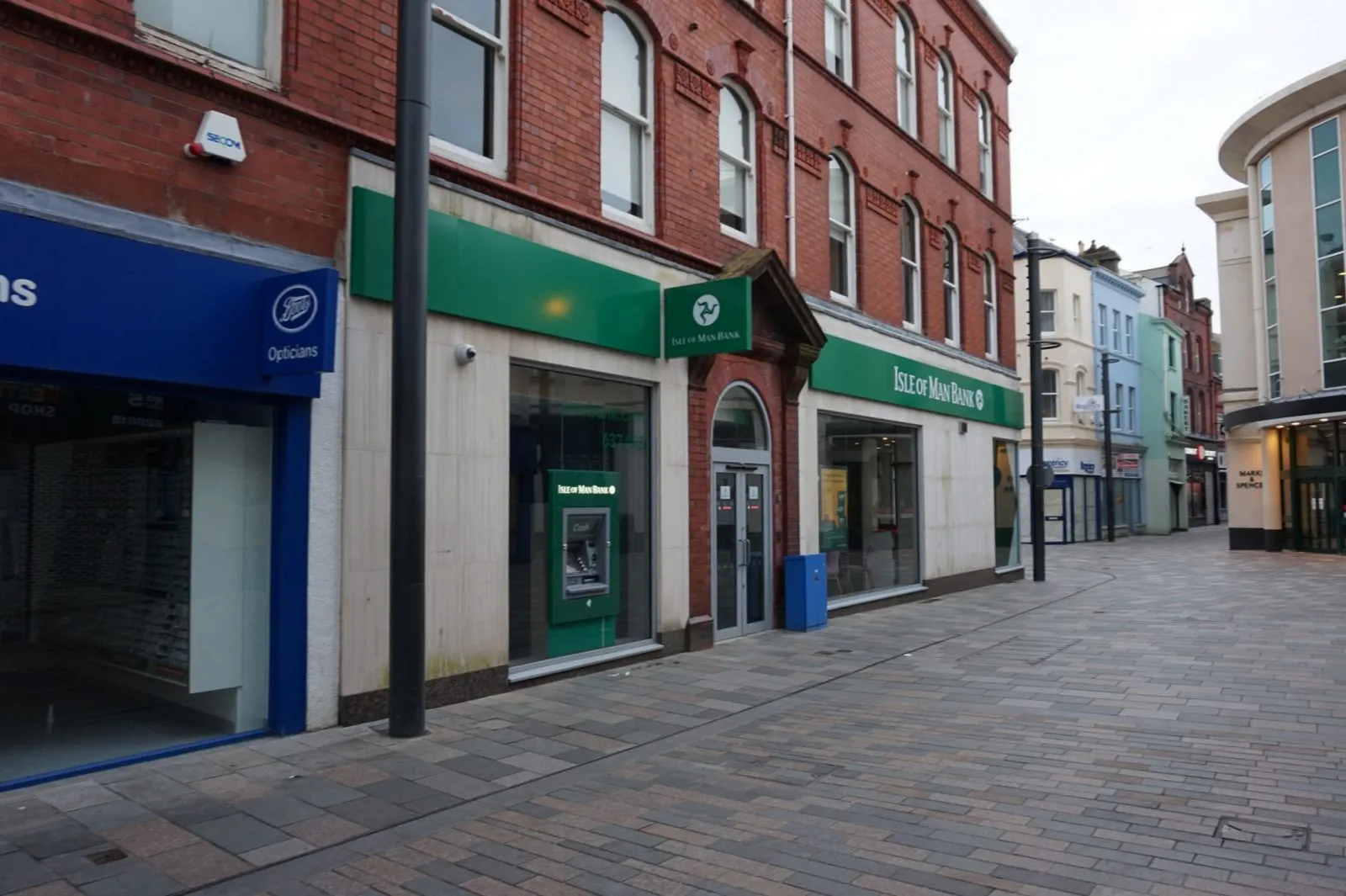
Photo: Ian S / Wikimedia Commons, CC BY-SA 2.0
Isle of Man cost of living — what's dearer than the UK, what's cheaper, and by how much
Photo: Ian S / Wikimedia Commons, CC BY-SA 2.0
Last checked
The Isle of Man cost of living against the UK, with sources — house prices, electricity, fuel, rates, broadband, prescriptions, tax and the ferry. Checked September 2026.
“Is it cheaper to live on the Isle of Man?” gets asked a lot, usually by someone who’s heard about the tax. The honest answer is that some things are cheaper, the big things mostly aren’t, and whether it works for you depends on your income and how often you’ll want to leave. This page compares the main costs with the UK, each with its source and the month we checked it. It’s written for anyone weighing up a move.
We haven’t compared a supermarket basket, because there’s no official comparison to point to and one-off shop surveys date fast. See supermarkets for who sells what here.
The comparison at a glance
| Cost | Isle of Man | UK | Verdict |
|---|---|---|---|
| Average house price | £393,735 houses, £358,320 all property (2025) | £272,611 all property (July 2026) | Much dearer |
| Median full-time pay | £755 a week (2025) | About 1% lower | Level |
| Electricity | 29.5p/kWh, 25.5p/day | 26.32p/kWh, 54.83p/day (Oct–Dec 2026) | Level |
| Petrol / diesel | 159.4p / 177.4p | 161.6p / 182.8p (28 Aug 2026) | Level for now |
| Fibre broadband, 100Mbps | About £41 a month | Roughly half | Dearer |
| Property tax | Rates, set per property | Council tax, Band D average £2,392 (England) | Depends |
| Prescription | £3.85 an item | £9.90 in England | Cheaper |
| Minimum wage (adult) | £13.46 an hour | £12.71 an hour | Higher here |
| Getting off the island | Ferry from £26 foot, £98.50 car each way | n/a | Extra cost |
Sources are linked in each section below. Figures checked September 2026.
Housing: the big one
The Isle of Man Housing Market Review 2025 (opens in a new tab), published by Statistics Isle of Man in June 2026, put the average house price at £393,735 in 2025, up 3.6% on the year. The median house was £358,000 and the average flat £213,122. Across houses and flats together the average was £358,320. The UK average for July 2026 was £272,611, according to the UK House Price Index (opens in a new tab).
That makes a typical Manx home something like 30–45% dearer than the UK average, depending on whether you compare all property or just houses. Measured against local pay it’s worse: the review found average house prices were 8.2 times average earnings in 2025, and the median house was 9.1 times the median full-time salary.
Two caveats. The 2025 figures are provisional, because a Land Registry IT problem meant Statistics Isle of Man had to use an earlier data extract. And the UK average includes plenty of cheap northern towns; against the South East, the island looks less extreme. There’s more on buying in house prices and buying a house.
Renting: there’s no official rent index for the island that we could find, so we won’t quote an average. Supply is tight and it varies a lot by town. See renting on the Isle of Man.
Energy
Electricity comes from Manx Utilities, the government-owned supplier; there’s no switching. From 1 April 2026 the domestic tariff is 29.5p per kWh with a 25.5p daily standing charge (Manx Utilities (opens in a new tab)). Manx Utilities said a typical home using 2,700 kWh a year would pay £937 (March 2026 announcement (opens in a new tab)), including 5% VAT. With VAT on domestic electricity cut to 0% from 1 October 2026, the same home pays about £890.
The UK price cap for October to December 2026 is 26.32p per kWh with a 54.83p standing charge, also with no VAT (Ofgem (opens in a new tab)). For 2,700 kWh that’s about £911 a year. Call it a draw: Manx units cost more, but the standing charge is less than half the UK’s, so low users do slightly better here.
Heating is the one to watch. Homes off the gas network often burn heating oil, and the island’s August 2026 inflation figures (opens in a new tab) show “oil and other fuels” up 57% in a year. Mains gas, where you can get it, comes from Manx Gas, a private supplier whose prices are set under regulation by CURA. Ask what heats a house before you buy or rent it.
Fuel for the car
The Office of Fair Trading monitors pump prices (opens in a new tab) against the UK every week. It says prices here are “typically higher”, because of shipping costs and the small market. Its September 2026 report shows that has flipped for now. On 28 August 2026, unleaded averaged 159.4p a litre on the island against 161.6p in the UK, and diesel 177.4p against 182.8p.
The reason is timing. Fuel arrives by tanker every few weeks, so Manx prices lag behind the market. When wholesale prices rise, the island stays cheaper for a while; when they fall, it stays dearer. Duty and VAT are identical to the UK’s. The island also sells ethanol-free premium unleaded rather than E10, so the comparison isn’t quite like for like.
Island distances are short. Nowhere is much more than 30 miles from Douglas, and there’s no MOT for private cars, which gov.im confirms (opens in a new tab) aren’t subject to an annual roadworthiness test. Running a car is one place the island can genuinely be cheaper.
Rates instead of council tax
There’s no council tax. You pay rates, worked out from a property’s rateable value (based on 1969 rents) multiplied by the local authority rate plus Manx Utilities’ water and sewerage rates. In Douglas in 2026/27 that comes to about £12.04 for every £1 of rateable value. We explain it properly under property rates. Because the values are so old, two similar houses can have very different bills. Ask for the last rates bill before you commit.
For comparison, the average Band D council tax in England for 2026/27 is £2,392 (opens in a new tab), and English households pay for water separately on top of that.
Broadband, phones and parcels
These are the costs that most annoy people who move here.
- Broadband: fibre reaches almost everywhere, but a 100Mbps package costs about £41 a month (September 2026), and a March 2026 comparison found the island paying roughly double UK prices. Details and the cheapest options are on broadband.
- Mobile: UK networks treat the island as roaming, so most residents switch to a Manx network. See mobile phones.
- Parcels: many retailers add a surcharge for IM postcodes, or refuse to deliver big items. See parcel delivery.
Health costs
GP and hospital care are free at the point of use, as in the UK. Prescriptions cost £3.85 an item, or £54 a year for a prepayment certificate (gov.im (opens in a new tab), September 2026), against £9.90 an item in England (NHS (opens in a new tab)). The hidden cost is time: long waiting lists push some people to pay for private treatment. See healthcare and prescriptions.
Getting off the island
This is the cost nobody puts in a spreadsheet until they’ve lived here a year. Every trip to see family, go to a concert or buy a sofa starts with a sea crossing or a flight. Steam Packet fares start at £26 each way for a foot passenger and £98.50 for a car (September 2026), and school holidays cost much more. There’s more in the ferry guide and flights.

Wages and tax
Pay isn’t much higher here. The 2025 Earnings Survey (opens in a new tab) put median full-time pay at £755 a week, about 1% above the UK median, and found that earnings hadn’t kept up with inflation. Public-sector pay was higher, with a median of £828 a week against £720 in the private sector. The island’s minimum wage is £13.46 an hour for over-18s from 1 April 2026 (approved by Tynwald (opens in a new tab)), against the UK’s £12.71 (opens in a new tab) for over-21s.
Tax is lower, though by less than people expect at ordinary incomes, because Manx National Insurance is 11%. On £40,000 a single employee saves about £170 a year against England. On £100,000 it’s over £9,000. The full workings are on income tax, and jobs are covered in working on the Isle of Man.
The verdict
For a household on an average income, the Isle of Man costs a bit more than most of the UK. Housing does most of the damage, broadband and trips off the island add to it, and the tax saving doesn’t make up the difference. Energy and fuel are roughly a wash in 2026, running a car is cheaper, and prescriptions are a bargain.
For a household earning well into the UK’s 40% band, the sums change. At that level the tax saving can pay for the dearer house.
— The Guru
Common questions
Is the Isle of Man more expensive than the UK?
Overall, somewhat, mainly because of housing. Houses average about £394,000 against a UK average property price of about £273,000, broadband costs roughly double, and travel off the island is a real extra cost. Electricity and fuel are close to UK prices in 2026, and prescriptions are much cheaper.
Is petrol more expensive on the Isle of Man?
Usually, but not in late summer 2026. The Office of Fair Trading's survey for 28 August 2026 found unleaded at 159.4p a litre on the island against 161.6p in the UK, and diesel at 177.4p against 182.8p. The island sells ethanol-free super unleaded rather than E10, so it isn't quite a like-for-like comparison.
Is electricity cheaper on the Isle of Man?
It's about the same. Manx Utilities charges 29.5p per kWh and 25.5p a day from April 2026. The UK price cap from October 2026 is 26.32p per kWh but with a much higher 54.83p daily standing charge, so for a typical home the annual bills come out within about £20 of each other, slightly in the island's favour.