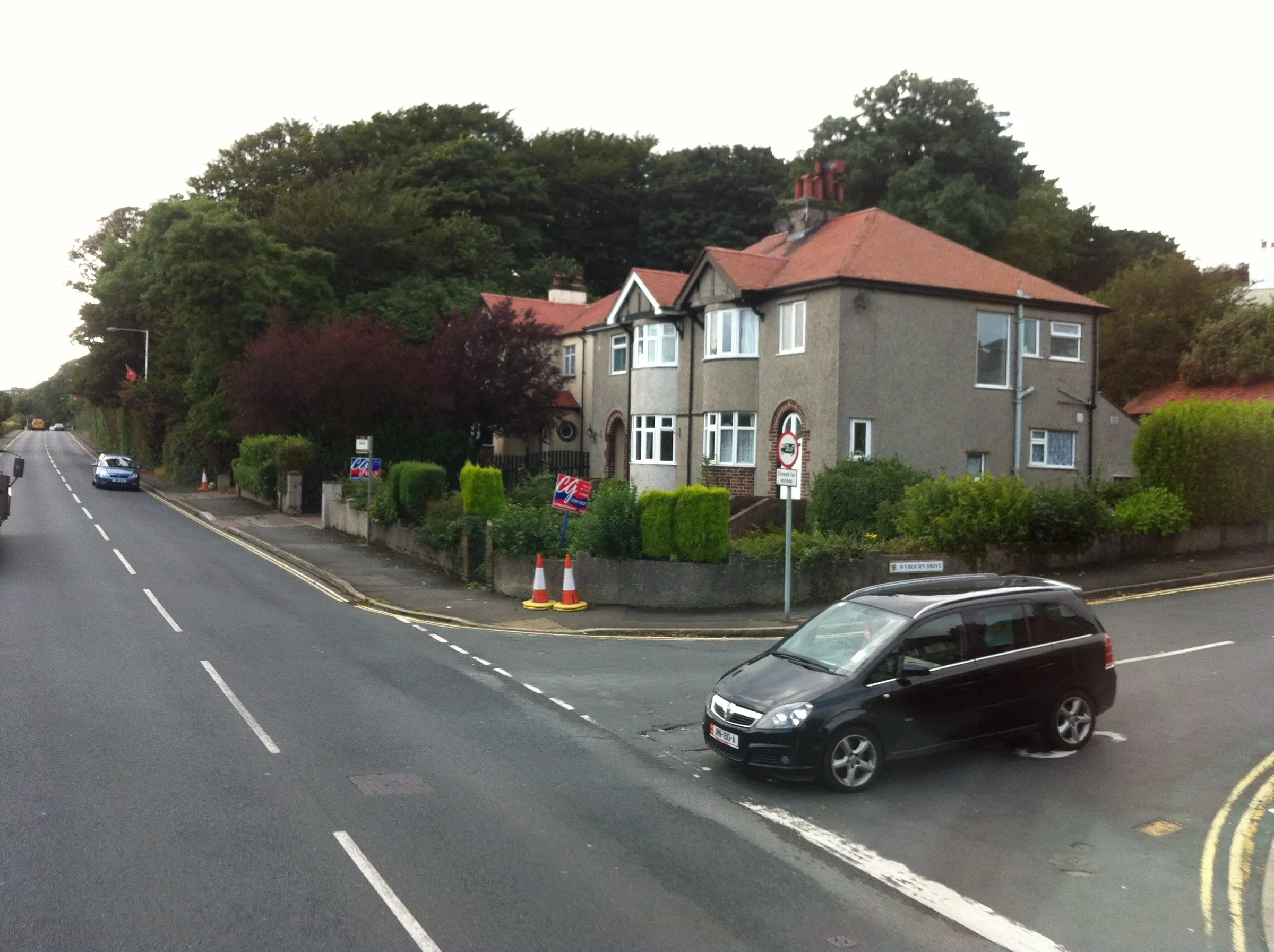
Photo: Andrew Abbott / Wikimedia Commons, CC BY-SA 2.0
Isle of Man house prices — what homes cost and how buying works
Photo: Andrew Abbott / Wikimedia Commons, CC BY-SA 2.0
Last checked
Isle of Man house prices from official Land Registry figures, and how buying works — advocates, no stamp duty, registration duty, mortgages and first-time buyer help.
This page is about what homes on the Isle of Man actually sell for and how buying one works. It’s aimed at people moving here and at locals buying for the first time. The short version: prices are high against local pay, the buying costs are low, and the process looks like England’s, but with advocates instead of solicitors and no stamp duty. For renting, see renting on the Isle of Man. For the bigger picture on money, see cost of living.
Average prices: the official figures
The best source is Statistics Isle of Man’s Housing Market Review 2025 (opens in a new tab), published in June 2026. It’s based on Land Registry sales and leaves out freak sales at either end, meaning anything under £70,000 and the very top of the market. The 2025 figures are provisional.
| 2025, whole island | Average | Median | Change on 2024 |
|---|---|---|---|
| Houses | £393,735 | £358,000 | +3.6% (average) |
| Flats | £213,122 | £188,525 | +6.8% (average) |
| All property (index) | £358,320 | — | +4.5% |
The long view: prices rose about 30% between 2020 and 2022, slipped back in 2023, held steady in 2024 and have been rising again since. The average house cost £293,521 in the year to March 2020. By the end of 2025 it was £393,735.
How far does a budget go? In 2025, 14% of houses sold for under £250,000, 65% for between £250,000 and £500,000, 14% for £500,000 to £750,000, and 7% for more than that. Among flats, a quarter sold for £250,000 or more.
Against pay: the average house was 8.2 times average full-time earnings in 2025, and the median house 9.1 times median earnings. For someone aged 25 or under, the cheapest quarter of houses cost about ten times the median salary for their age. That drops to about five times for a couple.
This year so far: the official 2026 figures aren’t out yet. Manx Property Prices (opens in a new tab), an independent site that crunches Land Registry data with the same method, had the 2026 median house at £354,950 for sales registered up to 28 August 2026. Its figures don’t exactly match the official ones, so treat that as a steer rather than the official number.
Prices by area
There’s no official breakdown by town. Each town sees so few sales that its average swings a lot with whatever happened to sell that year. What the data does show is a clear pattern. Over 25 years of Land Registry sales, the dearest parishes on average were the rural ones around Douglas and the south: Santon, Marown, Braddan and Malew. That’s according to an analysis of Land Registry sales (opens in a new tab) covering 2001 to 2026. In broad terms:
- Douglas has most of the island’s flats and Victorian terraces, so it has the most homes at the cheaper end. Its detached houses cost as much as anywhere.
- Onchan, Braddan and Marown are the commuter belt, with family houses, newer estates and prices to match.
- The south (Castletown, Port Erin, Port St Mary, Ballasalla) is popular with families and retirees, and near the airport and King William’s College.
- Ramsey, Peel and the north and west tend to offer more house for the money, in exchange for a longer commute to Douglas.
Pick an area for the commute first, and if you have children, check the school catchment too. Our places guides cover each town.
How buying works
The steps will feel familiar if you’ve bought in England, with a few local differences:
- Get a mortgage agreement in principle from a lender that lends on Manx property (see below).
- Find a home through local estate agents. Many of them also list on Rightmove.
- Make an offer. Nothing is binding until contracts are completed, so gazumping can still happen.
- Instruct an Isle of Man advocate. Conveyancing here is reserved to Manx advocates. A UK solicitor can’t do it.
- Survey, searches and mortgage offer. Your advocate checks title and searches while the lender values the property.
- Completion and registration. Your advocate pays the Land Registry duty and fees and registers you as owner.
How long it takes: that depends on the chain, the lender and how complete the title is. Allow a few months from offer to keys, and ask your advocate for an estimate before you give notice on a rental.
What it costs to buy: no stamp duty
There’s no stamp duty on the Isle of Man. Instead, the Land Registry charges registration fees plus a registration duty, based on who’s buying. These bands have applied since 1 May 2023 (gov.im (opens in a new tab)):
| Buyer | Duty |
|---|---|
| Owner-occupier (home under £1m and your only home anywhere) | 0% to £230,000, 1% to £500,000, 2% to £1m |
| Resident buying a second or investment property | 2% (2.5% above £3m) |
| Non-resident buyer | 4% (4.5% above £3m) |
On a £358,000 house, an owner-occupier pays about £1,280 in duty. A non-resident buying the same house would pay about £14,320. The fixed Land Registry fees come on top; the Land Registry (opens in a new tab) publishes them.
Other costs to budget for: your advocate’s fees, a survey, the lender’s fees and buildings insurance from completion. After that come the yearly rates, which work on an old system and vary a lot between similar houses. Ask the seller for the last rates bill.
Mortgages
Many UK high-street lenders won’t lend on Isle of Man property. Most Manx mortgages come from banks with an island or Channel Islands operation, including Isle of Man Bank (now part of NatWest International), Barclays, HSBC, Lloyds Bank International and Santander International’s Isle of Man branch. A local broker can compare them. If you’ve just arrived, lenders will want proof of income and, if you need a work permit, proof of that too (see working on the Isle of Man).
Help for first-time buyers
The government’s shared-equity schemes (opens in a new tab) lend part of the price in return for a share of the home’s value. You need a 5% deposit and a mortgage, and you can’t already own property.
- First Home Fixed: discounted homes allocated from the Register of First Time Buyers. You need at least five years’ residence on the island.
- First Home Choice: help towards buying on the open market. You need at least three years’ residence.
The income limits were raised in July 2026:
| Household | First Home Fixed | First Home Choice |
|---|---|---|
| Single, no children | £40,000 | £48,000 |
| Couple, no children | £52,000 | £62,000 |
| Single or couple, one child | £58,000 | £70,000 |
| Single or couple, two or more children | £64,000 | £77,000 |
Interest can become payable on the government’s share after purchase. Read the guidance notes, or call the Housing Office on +44 1624 685955, before you commit.
— The Guru
Common questions
What is the average house price on the Isle of Man?
£393,735 for a house in 2025, according to Statistics Isle of Man's Housing Market Review (June 2026). The median house sold for £358,000, and the average flat for £213,122. Figures for 2025 are still provisional.
Is there stamp duty on the Isle of Man?
No. Instead there's a Land Registry duty. If the home will be your only residential property anywhere in the world and costs under £1 million, the first £230,000 is duty-free, then 1% up to £500,000 and 2% up to £1 million. Other resident buyers pay 2%, and non-residents 4%.
Can a UK solicitor do my Isle of Man conveyancing?
No. Conveyancing of Manx property is reserved to Isle of Man advocates, so you'll need a local firm even if your mortgage or the rest of your affairs are in the UK.
Can I get a UK mortgage on an Isle of Man house?
Usually not from a UK high-street lender. Most Manx mortgages come from banks with Isle of Man or Channel Islands operations, such as Isle of Man Bank (NatWest International), Barclays, HSBC, Lloyds Bank International and Santander International. A broker who knows the island helps.