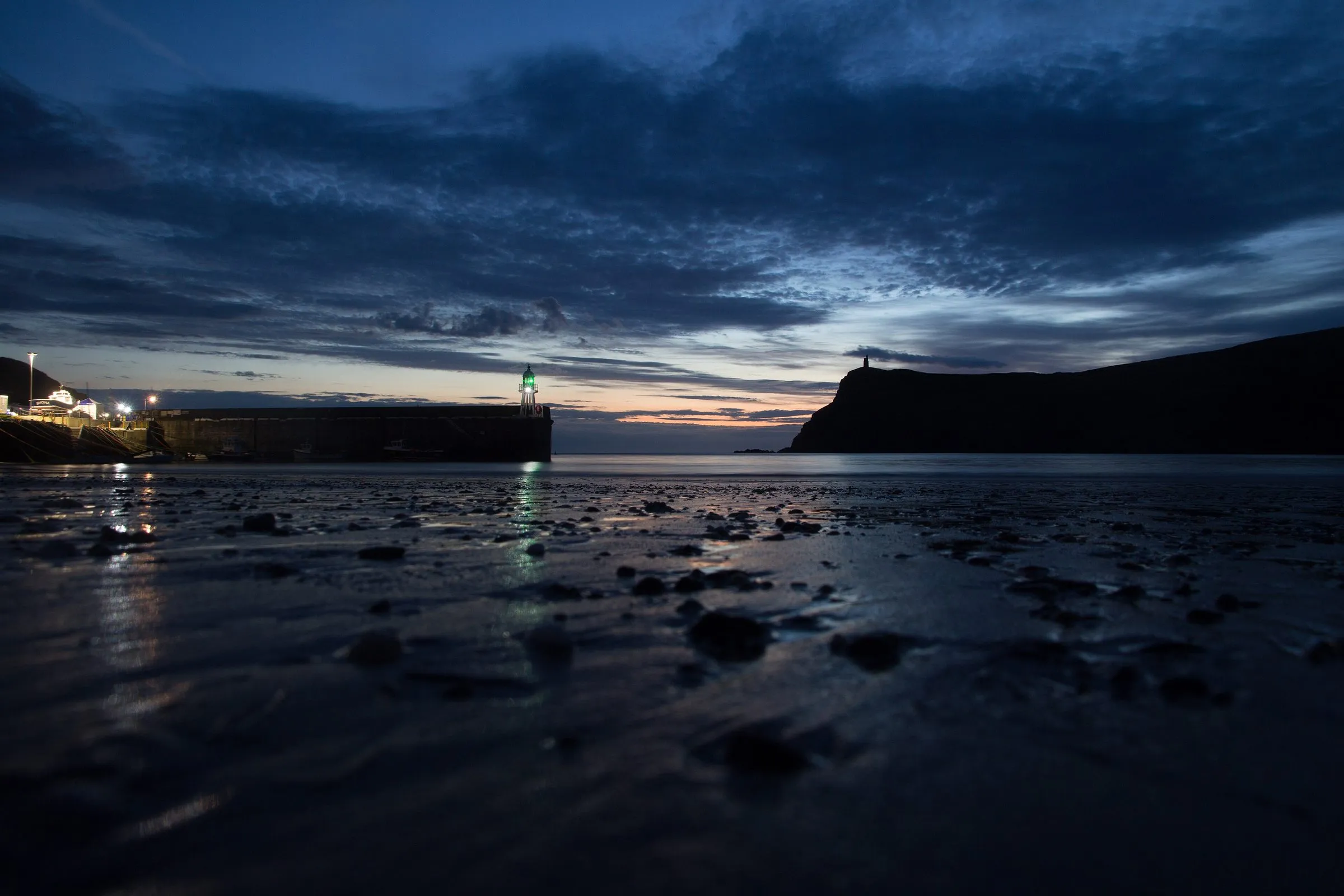
Photo: Alexey Komarov / Wikimedia Commons, CC BY-SA 4.0
Isle of Man dark skies — the 26 Dark Sky Discovery Sites and when to go
Photo: Alexey Komarov / Wikimedia Commons, CC BY-SA 4.0
Last checked
The Isle of Man's 26 official Dark Sky Discovery Sites, the best seven, when the sky is actually dark, what you can see, and the observatory's open evenings.
On the map
- The Sound — Milky Way site. Side car park by the café; open sea to the south and west
- Niarbyl — Milky Way site. Car park above the bay; dark western horizon
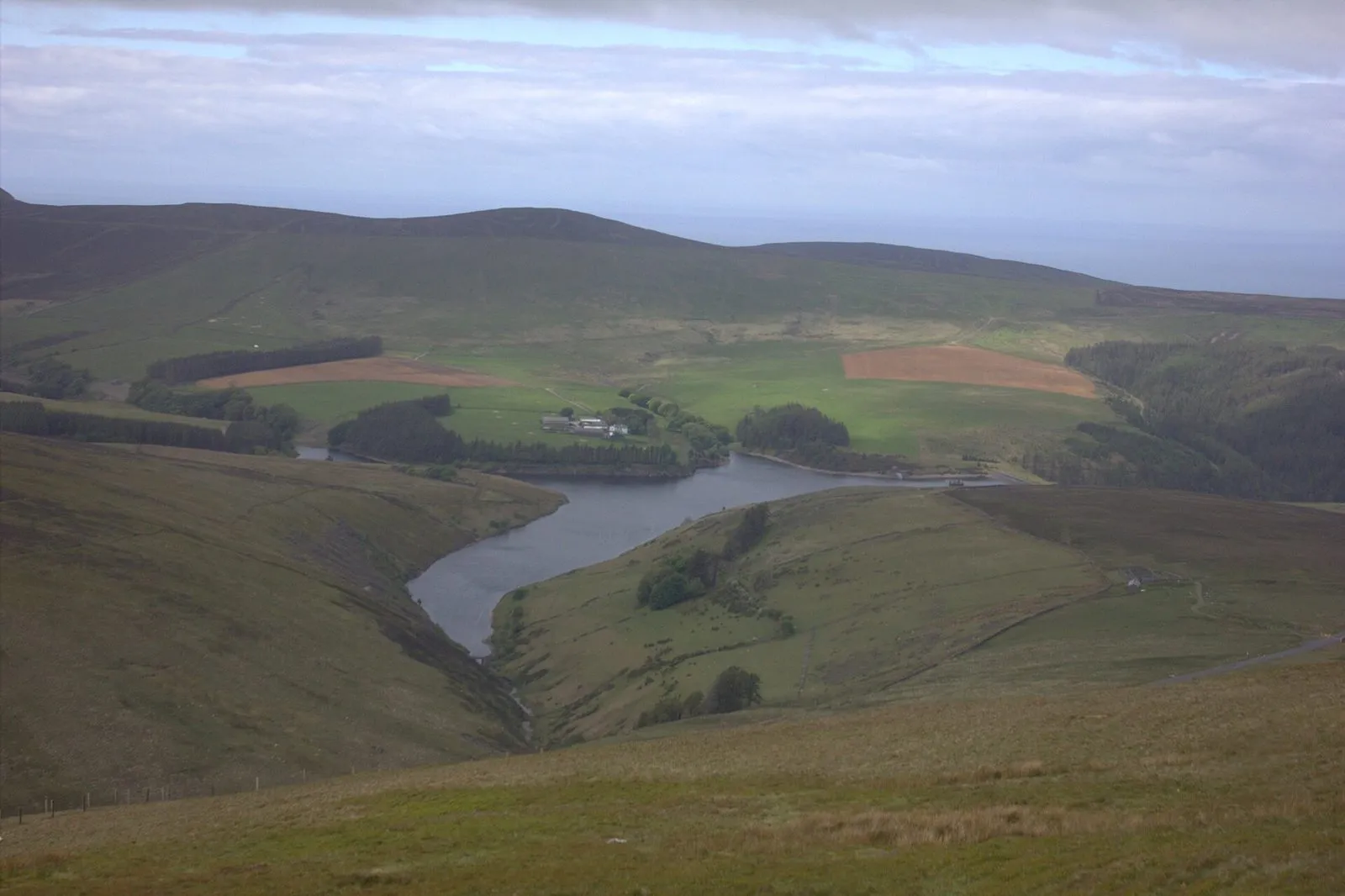
- Sulby Reservoir — Milky Way site. Car park at 198m in the hills; one of the darkest readings
- Smeale — Milky Way site. Flat northern coast near Andreas; big open sky
- Axnfell Plantation — Milky Way site. Forestry car park above Laxey
- Fort Island — Milky Way site. Langness car park by the sea near the airport
- Port Soderick Brooghs — Milky Way site. Little Ness car park south of Douglas
- Cregneash — Village car park high above the Sound
- The Sloc — Hill car park above Port Erin
- Peel Castle footpath — Footpath behind the castle on St Patrick's Isle
- Ballaugh beach — Beach car park on the north-west coast
- Glen Wyllin beach — Beach car park at Kirk Michael
- Glen Mooar beach — Beach car park south of Kirk Michael
- Port Lewaigue — Car park by the shore east of Ramsey
- Mooragh Promenade — Public park on the Ramsey seafront; urban but handy
- Ballure Reservoir — Car park in the hills above Ramsey
- West Baldwin Reservoir — Injebreck car park in the central valley
- Tynwald Mills — Overflow car park at St John's
- Clypse and Kerrowdhoo — Reservoir car park north of Onchan
- Conrhenny — Community woodland car park above Onchan
- Ballannette — Nature reserve and park at Baldrine
- Onchan Park — Public park in Onchan; the most urban site
- Mount Murray — Golf club site near Santon; check access before you go
- Port Soderick upper car park — Upper car park above Port Soderick glen
- Rushen Abbey — Car park at Ballasalla
- Poulsom Park — Public park in Castletown
The Isle of Man has more official Dark Sky Discovery Sites for its size than anywhere else in the British Isles: 26 of them, on an island 33 miles long. They’re mostly just car parks, which is the point. They’re free, open all night, have somewhere level to stand and are far from streetlights. This page covers which sites are darkest, when the sky is actually dark enough, what you’ll see, how to get a guided look through a proper telescope, and what to bring.
What a Dark Sky Discovery Site is
Dark Sky Discovery (opens in a new tab) is a UK network of places that are dark, safe and accessible for stargazing. A site needs parking, level ground that’s suitable for wheelchairs, and 24-hour public access. It’s rated either Milky Way class, where you can see the Milky Way with the naked eye, or the lower Orion class.
In 2012 a Dark Sky Discovery co-ordinator toured the island with the Isle of Man Astronomical Society and picked seven sites, all rated Milky Way class. Nineteen more followed, and the island was recognised with 26 sites in January 2014, according to the UNESCO Biosphere Isle of Man (opens in a new tab). The full list, with grid references, is on the Astronomical Society’s dark skies pages (opens in a new tab).
The seven darkest sites
These were the originals, and each has a measured sky quality reading (SQM) from the Astronomical Society. The higher the number, the darker the sky, and 22 is about the darkest anywhere on Earth.
| Site | Where | SQM | Best for |
|---|---|---|---|
| Sulby Reservoir car park | Hills above Sulby, 198m | 21.5 | Inland dark, all-round horizon |
| Smeale | North coast near Andreas | 21.5 | Huge flat sky, northern horizon for aurora |
| The Sound, side car park | Southern tip | 21.4 | South and west over the sea |
| Niarbyl car park | West coast | 21.4 | Western sky, summer evenings |
| Axnfell Plantation car park | Above Laxey | 21.4 | Sheltered forestry site |
| Fort Island, Langness | Near Castletown | 21.2 | Sea to the east and south |
| Port Soderick Brooghs, Little Ness | South of Douglas | 20.8 | Closest dark site to Douglas |
Readings are from the Isle of Man Astronomical Society (opens in a new tab), taken in November 2012. Light pollution changes, so treat them as a guide.
Our pick: the Sound on a still night, for the sea, the seals barking on Kitterland and a southern horizon with nothing on it. Sulby Reservoir if the wind is coming off the sea.
The other nineteen
The second wave covers every part of the island, so there’s one near wherever you’re staying. Several are in town parks and are more about convenience than deep darkness:
- North: Ballaugh beach, Glen Wyllin and Glen Mooar beaches near Kirk Michael, Port Lewaigue, Mooragh Promenade and Ballure Reservoir near Ramsey.
- Middle and east: West Baldwin (Injebreck) Reservoir, Tynwald Mills overflow car park at St John’s, Clypse and Kerrowdhoo reservoirs, Conrhenny woodland, Ballannette at Baldrine, Onchan Park, Mount Murray golf club and the upper car park at Port Soderick.
- South and west: Rushen Abbey at Ballasalla, Poulsom Park in Castletown, the Sloc above Port Erin, Cregneash village car park, and the footpath behind Peel Castle.
A few sit on someone else’s premises, such as a golf club or a café car park, and access can change. The Niarbyl café, for one, has been closed for refurbishment since 2023, though its car park is still the place to stand. If a gate’s locked, try the next site along. Visit Isle of Man has a stargazing sites page (opens in a new tab) with directions to most of them.
When to go
Three things decide whether you’ll see anything: the season, the moon and the cloud.
Season. The island is at about 54°N, so in midsummer the sun never gets far enough below the horizon for full darkness. From roughly mid-May to late July there’s a glow in the northern sky all night, and the Milky Way is washed out. September to March is the proper season, and October to February gives you dark skies by early evening, which suits children.
The moon. A full moon lights the sky enough to hide the Milky Way and anything faint. Go in the week either side of a new moon, or wait until the moon has set. Timeanddate (opens in a new tab) lists the phases.
Cloud. This is the Irish Sea, and clear nights come in short windows, often after a front has gone through. Check the forecast on the day, not the week before. The Met Office’s cloud map is the most useful thing on your phone.
What you can see
- The Milky Way. On a clear, moonless night at a Milky Way-class site, it’s obvious to the naked eye. The Manx name, Raad Mooar re Gorry, means the great way of King Orry. Summer and early autumn show its brightest part, low in the south; in winter it runs overhead through Cassiopeia and Perseus.
- The Andromeda Galaxy. A faint smudge next to the W of Cassiopeia in autumn and winter, 2.5 million light years away, visible without binoculars from the darker sites.
- The Orion Nebula. The fuzzy middle “star” of Orion’s sword, from November to March. Binoculars make it obvious.
- Meteor showers. The Perseids peak around 12 August, and the Geminids around 14 December. The Geminids are the better show here, because the nights are long and fully dark.
- Aurora. During strong geomagnetic storms, the Northern Lights appear low in the north. Smeale, the Point of Ayre coast and Ballaugh beach have the clearest northern horizons. Sign up for an alert service such as AuroraWatch UK (opens in a new tab), which is free.
- The International Space Station crossing the sky, which is surprisingly exciting for children. Heavens-Above (opens in a new tab) gives pass times.
See it through a telescope
The Isle of Man Astronomical Society (opens in a new tab) runs an observatory in the hills between Foxdale and St John’s, off the Lhoobs Road, with a dome built in 1999. As of September 2026:
- Public open evenings include a tour of the observatory, a short talk and a look through the telescope if it’s clear. They cost £15 a person and have to be booked on Eventbrite. They book up quickly, so watch the society’s website and Facebook page.
- Monthly meetings are on the first Thursday of the month, 7.30pm, in the observatory clubroom. Visitors pay £4, or £2 for under-16s, and all levels are welcome.
There’s no public transport to the observatory. Directions are on the society’s location page (opens in a new tab).
Stargazing events also turn up in the island’s events calendar in winter. See what’s on.
What to bring
- Warm clothes. Much warmer than you think. You’ll be standing still, often in wind off the sea, and a clear winter night can go below freezing.
- A red torch or a phone in night mode.
- Binoculars. Ordinary 8x or 10x ones show craters on the moon, the moons of Jupiter and a lot more of the Milky Way.
- A flask and a folding chair. Or lie on a blanket in the car park at Smeale, if nobody’s looking.
- A sky map app like Stellarium, set to night mode.
Getting there
You need a car for almost every site. The buses don’t run late, and the darkest sites are the furthest from bus routes. The Sound has no bus at all. If you’re relying on public transport, the town-park sites in Onchan, Ramsey and Castletown are reachable, but they’re the least dark. See getting around, car hire and driving on the Isle of Man.
— The Guru
Common questions
How many Dark Sky Discovery Sites does the Isle of Man have?
Twenty-six. Seven were chosen in 2012 and rated Milky Way class, the darkest grade; nineteen more followed, and the island was recognised with 26 sites in January 2014. That's the highest concentration of Dark Sky Discovery Sites anywhere in the British Isles.
What is the best dark sky site on the Isle of Man?
It depends on the direction you want to look. The Sound and Niarbyl have open sea to the south and west, Sulby Reservoir is high and inland, and Smeale has the big flat sky of the north. All seven Milky Way sites recorded sky quality readings between 20.8 and 21.5.
Can you see the Northern Lights from the Isle of Man?
Sometimes. During strong geomagnetic storms the aurora shows low on the northern horizon, and the island's dark north coast is a good place to watch. It isn't predictable more than a day or so ahead, so follow an aurora alert service and look north on clear nights.
When is the best time for stargazing on the Isle of Man?
On a clear night within a few days of a new moon, between October and March. The island is far enough north that from roughly mid-May to late July the sky never gets fully dark, so summer is poor for faint objects.