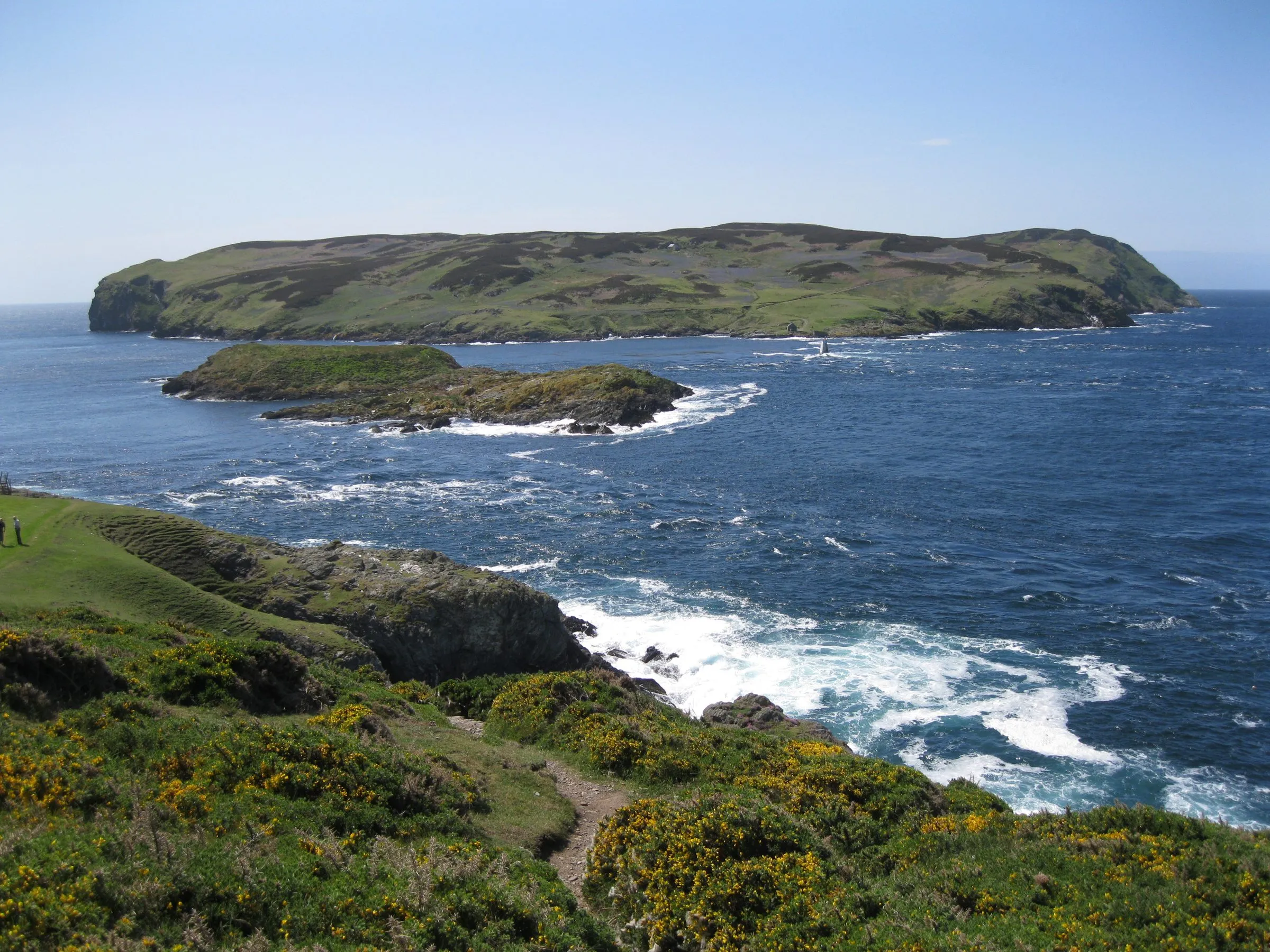
Photo: Andrew Bone from Weymouth, England / Wikimedia Commons, CC BY 2.0
The Calf of Man — boat trips, seals and staying on the island
Photo: Andrew Bone from Weymouth, England / Wikimedia Commons, CC BY 2.0
Last checked
Getting to the Calf of Man — boats from Port Erin and Port St Mary, landing vs round-the-Calf trips, seals, seabirds, staying at the bird observatory and the Sound.
The Calf of Man is the small island off the southern tip of the Isle of Man: about 600 acres of heather, cliffs and seabirds, with two wardens and no shop. You can only get there on a small boat. This page covers who runs the boats, what they cost, landing trips versus round-the-island trips, the wildlife and when to see it, staying overnight at the bird observatory, and the Sound, where you can see most of it for free.
What the Calf is
The Calf sits half a mile off the Isle of Man across Calf Sound, a tide race with the rocky islets of Kitterland in the middle. It belongs to the Manx Museum and National Trust, the charity behind Manx National Heritage. The Manx Wildlife Trust has managed it since 2006. It has been a bird observatory since 1959, with wardens living there from spring to late autumn. The Calf visitor information (opens in a new tab) from MNH and the Manx Wildlife Trust is the best source on the rules.
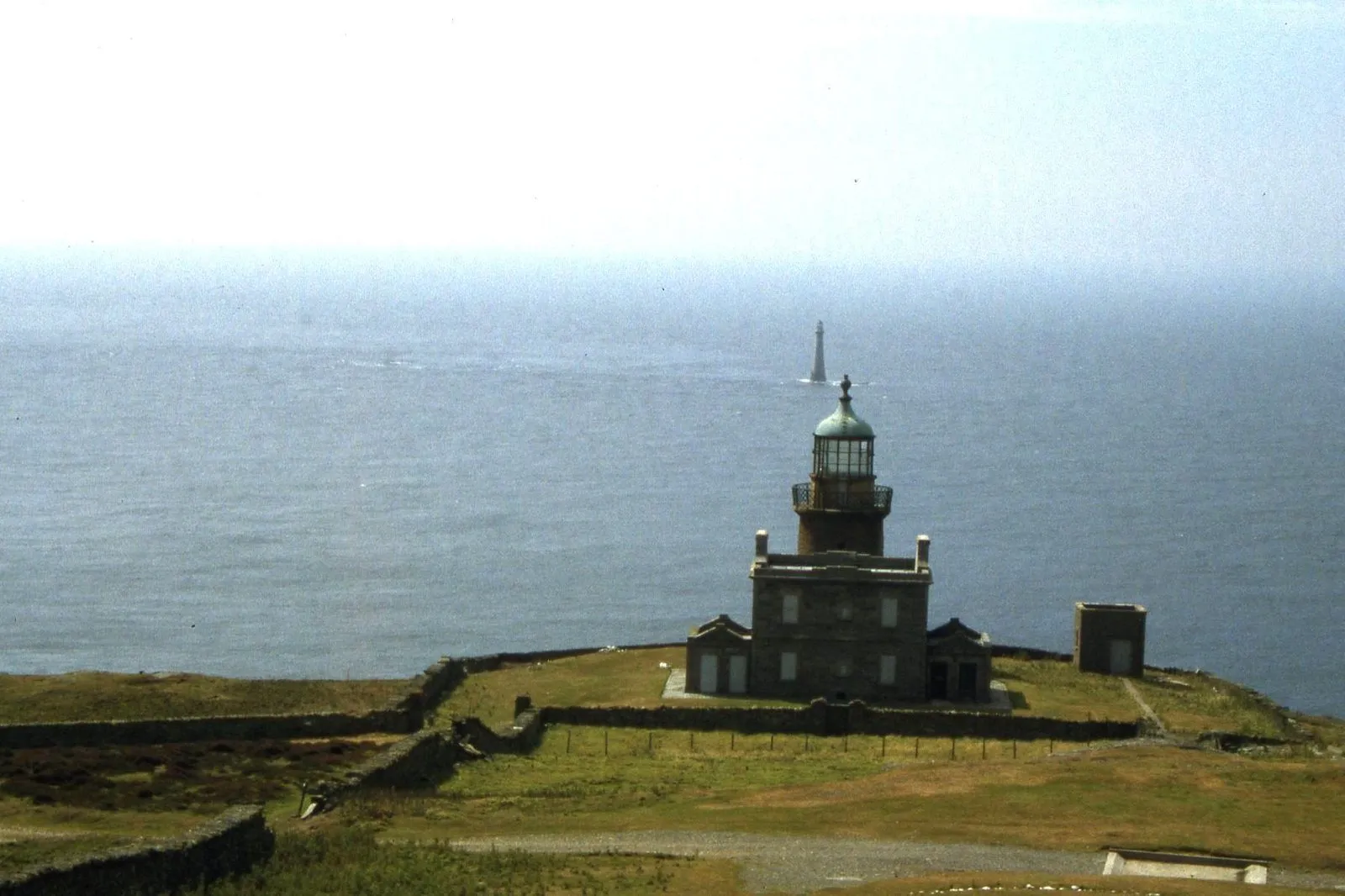
Nobody else lives there. The old farmhouse holds the observatory. Around the island you’ll find two lighthouses from 1818, a newer 1968 lighthouse that has since been decommissioned, an old mill and smithy, and the remains of 17th-century gun defences.
Boat trips: who runs them
No boats are run by MNH. These are small local operators, listed in the Calf visitor information (opens in a new tab) (updated May 2025). Book by phone, in advance.
| Operator | From | Boat | Contact |
|---|---|---|---|
| Shona Boat Trips (Jason Fleming) | Port Erin, Raglan Pier | Shona Elizabeth; RIB Osprey | 07624 480682 |
| Port St Mary Calf of Man Boat (Steven Clague) | Port St Mary harbour | Scraayl | 07624 490615 |
| Tom Keggen | Port St Mary | Kiree Varrey | 07624 209807 |
The 2025 leaflet says Shona “does not service overnight visitors”, but Shona’s own price list now includes an overnight drop-off and pick-up at £40 a person (September 2026). If you’re staying on the Calf, ask whichever boat you book whether it’ll collect you on your departure day.
Prices
- Shona (Port Erin): round-the-Calf trips (about 2 hours) are £20 for an adult, £10 for children 9 and under and £5 for toddlers. Landing trips are £25, or £15 for under-9s, with “up to 4 hours ashore depending on tides”. These prices are from the operator’s own trips and prices page (opens in a new tab) (checked September 2026). You need a minimum of 6 adults unless you pre-arrange otherwise.
- Port St Mary: Visit Isle of Man (opens in a new tab) lists landing trips at £25 for adults and £15 for children, and scenic wildlife trips at £20 and £10, with about three hours ashore on landing trips. Trips need at least 5 people.
Treat all of these as a guide and confirm the price when you book. Small operators change prices without updating the internet.
Season
Shona’s own site says the Shona Elizabeth runs from May to September, and the RIB Osprey goes out all year when the weather allows. The Port St Mary boat advertises trips “daily, weather permitting”, all year. In practice, the sensible window for a landing is late spring to early autumn.
Landing trip or round the Calf?
Landing trip: go if you can walk a few miles on rough paths and want the place to yourself. You get about three to four hours ashore, depending on the tide. That’s enough to walk out to the lighthouses and the cliffs above Chicken Rock and see the seabird colonies. Boats land at South Harbour or Cow Harbour, depending on the tide. It’s the better trip.
Round the Calf: go with small children, anyone who isn’t steady on rough ground, or if you mainly want seals and cliffs. You’ll see the Calf’s cliffs from the water, and usually plenty of seals. It’s about two hours with no walking.
The rules on the Calf
It’s a nature reserve, and the wardens can end your visit if the rules are ignored. From the Calf of Man Code (opens in a new tab):
- No dogs, except assistance dogs by prior arrangement. Our dog-friendly guide has places they can go.
- Keep to the main tracks between 1 March and 31 August (the nesting season).
- No camping, fires, barbecues, climbing, metal detecting or digging.
- No fishing between 1 April and 31 July.
- The lighthouses, observatory and other locked buildings aren’t open to visitors.
- Leave the rat-control bait boxes alone. They’re the reason the shearwaters came back.
Wildlife, and when to see it
- Seabirds (spring and summer). About 33 bird species breed on the Calf, including kittiwakes, razorbills, shags and the Manx shearwater. Choughs, peregrines, hen harriers and ravens are regulars.
- The shearwaters. The Manx shearwater is named after this island, and rats had wiped out its colony on the Calf. After a rat-control project that began in 2012, the Manx Wildlife Trust estimated about 1,000 pairs in 2025. They only come ashore at night, so day visitors won’t see them on land. Overnight guests might.
- Migrants (spring and autumn). The Calf is on one of western Britain’s main migration routes, which is why the observatory is there.
- Grey seals (all year, pups in autumn). The Calf is the island’s main pupping site. The Manx Wildlife Trust says 60+ pups are raised a year, with more than 90 in 2023. Keep your distance from pups on the rocks.
More on seasons in our best time to visit guide, and on the rest of the island’s seals, birds and sharks in our wildlife guide.
Chicken Rock lighthouse
The granite tower on the rocks about a mile beyond the Calf is Chicken Rock lighthouse. It’s 44 metres tall and was first lit on 1 January 1875. On 23 December 1960 a fire broke out and trapped the keepers at the top. The Port St Mary lifeboat crew rescued them in bad weather. After the fire the light was repaired and automated. The Northern Lighthouse Board still runs it.
You can’t visit it. The best views are from the south end of the Calf and from the boats.
Staying on the Calf
You can stay overnight in the bird observatory’s hostel. It sleeps 8 in three rooms: Shearwater (two bunk beds), Chough (one bunk bed) and Fulmar (two singles). It opens seasonally, usually from June to early September, and it’s booked by the room through Island Escapes (opens in a new tab).
According to the 2025 visitor information:
- The minimum stay is two nights arriving on a Monday or Wednesday, or three nights arriving on a Friday.
- You bring your own food, sleeping bag and towels. There’s a kitchen with a gas cooker and a wood-burning stove in the common room.
- Electricity comes from a generator that runs for a limited time in the evenings. Water is scarce, so there are no showers for guests.
- Pack a torch, spare batteries, matches and extra food. Bad weather can stop the boats for days, and you might not get off when you planned.
- You arrange your own boat, and have to message the wardens 24 hours before you arrive.
MNH’s own page on the hostel says guests should also bring “5 litres of water per guest per day”. Check the current price and dates on Island Escapes.
The Sound: the free version
If the boats aren’t running, or you’d rather not get in one, drive to the Sound at the southern tip of the island, below Cregneash. There’s a car park, and the café and visitor centre has floor-to-ceiling windows looking straight across to the Calf and Kitterland. Seals haul out on the rocks in the Sound. Bring binoculars if you have them.
The Sound Café (opens in a new tab) is open 10am to 5pm daily from September to October in 2026. From 1 November it opens 10am to 4pm on weekdays and until 5pm at weekends. In summer it’s open later.
The coastal path runs from the Sound round to Port Erin over Mull Hill, and east towards Port St Mary. Both are good walks if you’d rather arrive on foot.
— The Guru
Common questions
Can you visit the Calf of Man?
Yes. Small boats run from Port Erin and Port St Mary and land you for a few hours. They depend on the weather and tide, and you have to book with the boatman in advance.
How much is a boat trip to the Calf of Man?
About £20 per adult for a trip around the Calf without landing, and about £25 for a landing trip (September 2026). Children pay less. Prices vary between operators, so confirm when you book.
Can you take a dog to the Calf of Man?
No. The Calf is a nature reserve and dogs aren't allowed, apart from assistance dogs by prior arrangement.
Where is the best place to see seals on the Isle of Man?
The Sound, at the southern tip of the island, looking across to the Calf. Grey seals haul out on the rocks of Kitterland and the Calf, and the Calf is the island's main pupping site in autumn.